Headlines last week said the FDA was “lifting restrictions” on popular wellness peptides like BPC-157, TB-500, and Semax. But a new legal analysis published April 21, 2026 argues the story is more complicated: the FDA is taking procedural steps that could lead to legal compounding access under Section 503A, but it has not (yet) made these peptides legal to compound as bulk substances.
This post explains what actually happened, what “Category 2 removal” does (and does not) mean, and what compounding pharmacies, prescribers, and patients should watch next.
The bottom line
The FDA has scheduled PCAC hearings (July 23–24, 2026 and a second meeting before the end of February 2027) to evaluate whether certain peptides should be added to the 503A bulks list, but formal rulemaking is still required before routine legal compounding from bulk substances is permitted.
What changed this week (and why people are confused)
On April 21, 2026, the FDA Law Blog published a detailed breakdown of the FDA’s recent peptide actions, emphasizing that many viral summaries are skipping key legal context.
Two things can be true at once:
- The FDA is clearly moving toward a more structured, public, and arguably more permissive process for certain peptides. (FDA Law Blog)
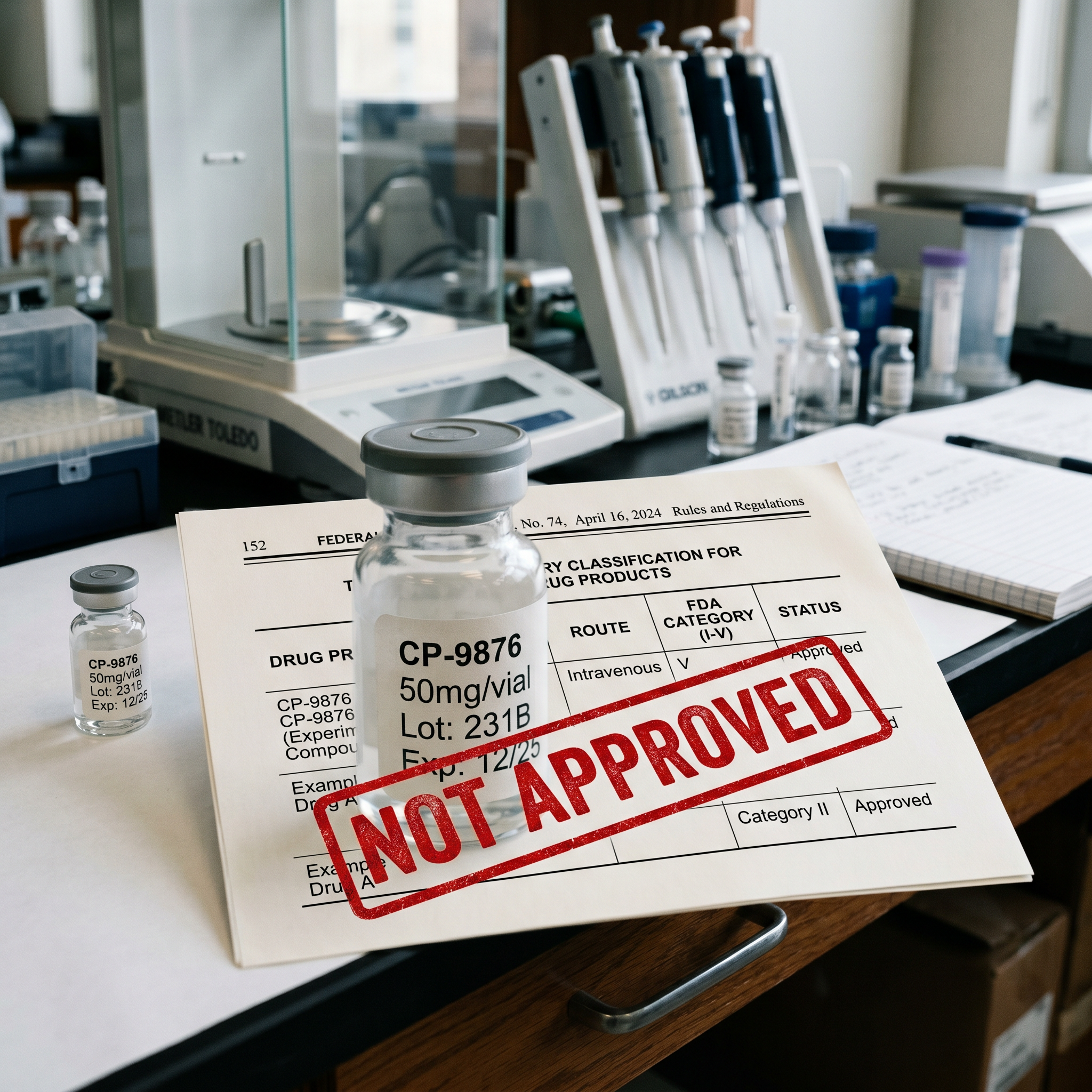
- Removal from “Category 2” is not the same thing as “now legal to compound.” (FDA Law Blog)
In practical terms, the FDA is signaling: “We’re going to run this through the official pathway.” That’s meaningful. But it’s also not a green light for everyone to restart bulk compounding tomorrow.
Category 2 vs. the 503A bulks list: the piece most headlines miss
Under Section 503A, state-licensed compounding pharmacies can compound from bulk drug substances only if those substances are on the FDA’s 503A bulks list (or meet other specific criteria). The FDA Law Blog analysis highlights a key point: many of the peptides being discussed “were never on ‘Category 1,’ which is the list of substances that may legally be used in Section 503A compounding.”
So what does “Category 2 removal” indicate? The same post frames it as a step suggesting these peptides “are potentially moving to some form of regulated access,” while warning “the road from here to there is longer than some headlines may suggest.” (FDA Law Blog)
Plain-English translation: Removing a peptide from the “do not compound” bucket is not the same as adding it to the “ok to compound” bucket.
What the FDA will review (and when)
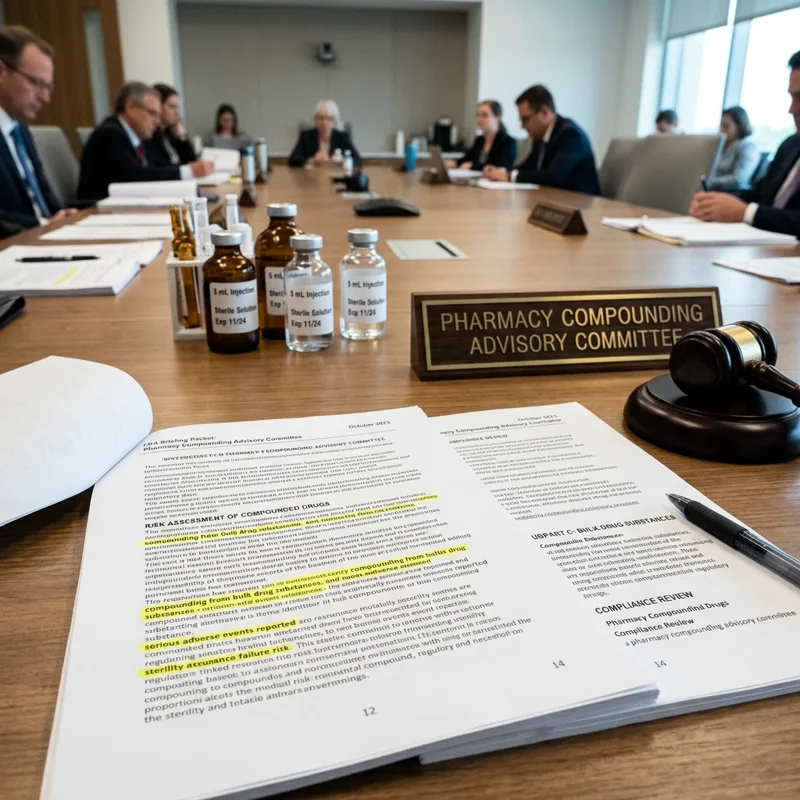
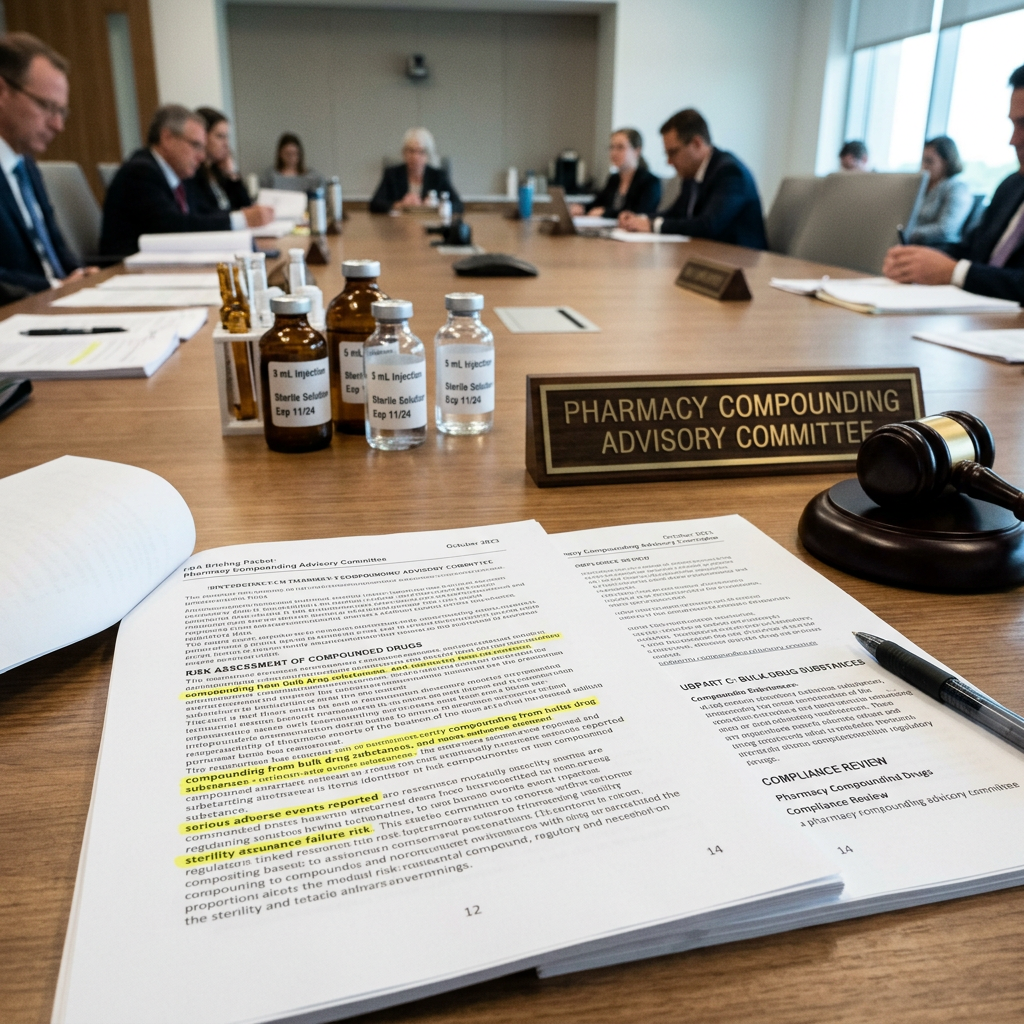
According to the FDA Law Blog breakdown, the FDA has scheduled the Pharmacy Compounding Advisory Committee (PCAC) to review peptides for possible inclusion on the Section 503A bulks list on two timelines:
PCAC meeting: July 23–24, 2026
- July 23: BPC-157, KPV, TB-500, MOTs-C (FDA Law Blog)
- July 24: Emideltide (DSIP), Semax, Epithalon (FDA Law Blog)
Second PCAC meeting: before the end of February 2027
- GHK-Cu, Melanotan II, Cathelicidin (LL-37), Dihexa acetate, PEG-MGF (FDA Law Blog)
We’ll update this post as the FDA releases briefing packets, conflict-of-interest disclosures, and voting questions closer to the meeting.
What has not happened yet (the compliance reality)
The most important caution from the FDA Law Blog post is procedural: PCAC recommendations are non-binding, and even if the committee recommends adding these peptides to the 503A bulks list, the FDA still has to go through notice-and-comment rulemaking, which the authors say “can take more than a year.”
That timeline matters because many clinics and patients are asking a simple question: “Can my pharmacy legally compound this peptide now?” Based on the regulatory framing above, the answer may still be “not as a routine, bulk-compounded drug substance under 503A,” until a formal bulks-list outcome is finalized (and potentially implemented via interim policy).
Also notable: the FDA has been “silent concerning Section 503B outsourcing facilities’ ability to compound using peptides,” with no indication these peptides are being reviewed for the agency’s separate 503B category list. (FDA Law Blog)
What patients, prescribers, and compounders can do now
1) Track the docket and background materials
Watch for the meeting notice, agenda, and FDA briefing documents that explain the clinical need arguments, safety concerns, and quality considerations for each peptide.
2) Prepare for a “public record” phase
If you’re going to make a case for or against a peptide’s inclusion, focus on the kinds of evidence regulators typically weigh: safety signals, dosing and route considerations, impurity and characterization data, and clinical need. The July PCAC meeting is designed to create that record. (FDA Law Blog)
3) Don’t confuse “hype access” with “regulated access”
One potential benefit of this process is moving demand away from gray-market products and toward a clearer, regulated pathway. But until the bulks-list and rulemaking steps are complete, patients should be cautious about claims that a peptide is “FDA approved” or “now legal” solely because it is under review.
FAQ
Does “removed from Category 2” mean my pharmacy can compound BPC-157 now?
Not necessarily. The FDA Law Blog analysis notes these peptides “were never on ‘Category 1’,” meaning they were not already on the list of substances that can be used for legal 503A bulk compounding, and formal rulemaking is still expected before routine access changes.
What is PCAC?
PCAC is the FDA’s Pharmacy Compounding Advisory Committee, which reviews scientific, medical, and technical questions related to compounding and provides recommendations to the agency. The FDA uses PCAC review as part of the process for deciding whether bulk substances should be added to the 503A bulks list. (FDA Law Blog)
When is the next FDA meeting about peptides?
PCAC is scheduled for July 23–24, 2026 to review seven peptides, with another meeting planned before the end of February 2027 to review five additional peptides. (FDA Law Blog)
Which peptides are in the July 2026 PCAC review?
The July 23–24 agenda includes BPC-157, KPV, TB-500, MOTs-C, Emideltide (DSIP), Semax, and Epithalon. (FDA Law Blog)
Is the FDA doing anything about 503B outsourcing facilities and peptides?
The FDA Law Blog post says the FDA has been “silent” about 503B facilities and does not indicate these peptides are being reviewed for the separate 503B list.
Medical and legal disclaimer: This article is for educational purposes only and does not provide medical advice or legal advice. PeptideKnow does not sell peptides. If you are considering any therapy, speak with a licensed clinician, and if you operate a pharmacy or clinic, consult qualified regulatory counsel.
Sources & References
- FDA PCAC Meeting Announcement (July 23-24, 2026)
- PBS: FDA to Weigh Easing Limits on Peptides Favored by RFK Jr.
- BioPharma Dive: FDA Peptides RFK Advisory Committee Restrictions
- RAPS: FDA Considers Adding a Dozen Peptides to Bulk Drug List
- Ars Technica: RFK Jr. Forces FDA to Reconsider 12 Peptides
- ProPublica: Peptide Safety Investigation
- New York Times: Peptide Ban FDA RFK Jr.
- SSRP Institute: FDA Announces Change in Status of 12 Peptides
- CNBC: RFK Jr. Peptides Hims Hers GLP-1
- USA Today: RFK Jr. FDA Peptides Explainer