Epithalon
Also known as: Epitalon, Epithalamin synthetic, AEDG peptide
Overview
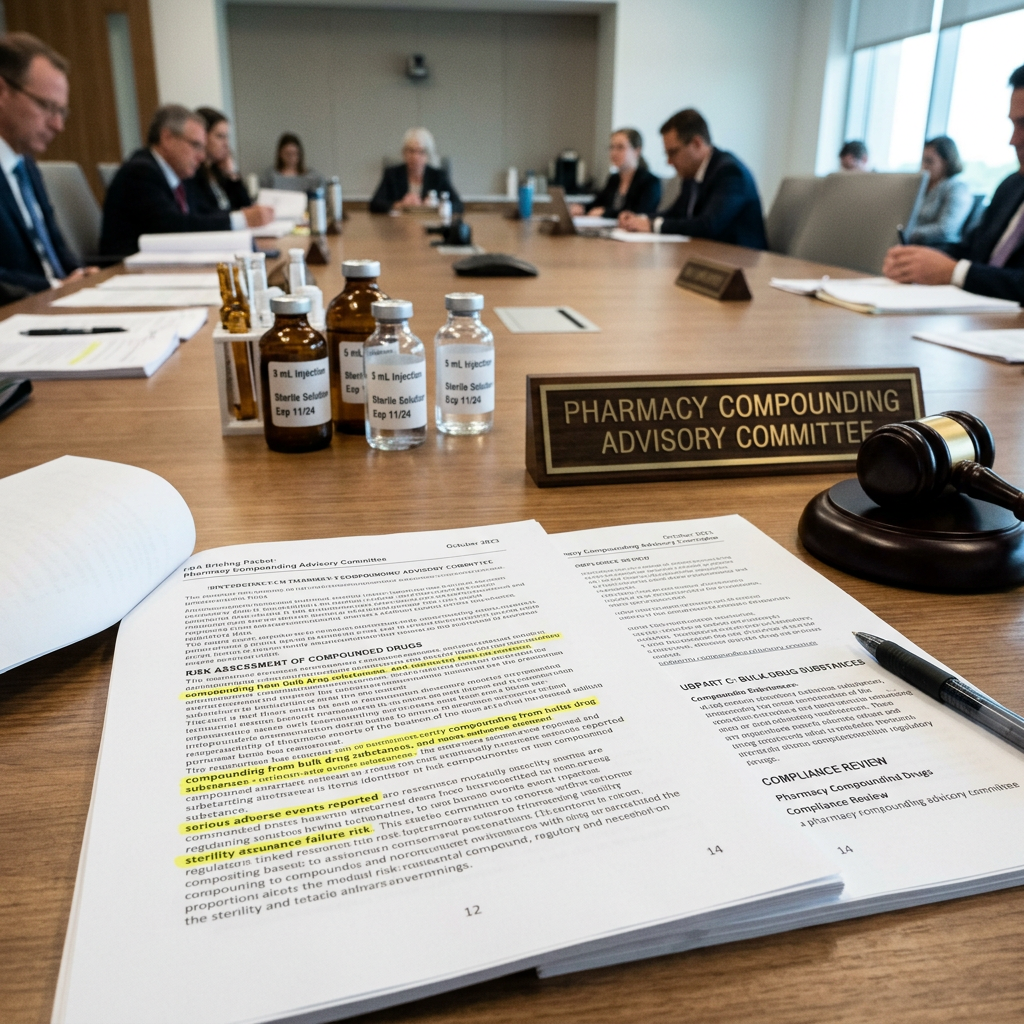
Epithalon (also spelled Epitalon) is a synthetic tetrapeptide (Ala-Glu-Asp-Gly) that replicates the activity of Epithalamin, a natural polypeptide extract from the pineal gland studied by Russian researcher Professor Vladimir Khavinson beginning in the 1980s. It has become one of the most researched bioregulator peptides, with studies demonstrating telomerase activation, telomere elongation in human somatic cells, melatonin restoration, and potential lifespan extension in animal models.
Mechanism of Action
Epithalon activates the hTERT gene (human telomerase reverse transcriptase), upregulating production of the telomerase enzyme catalytic subunit. This leads to telomere elongation in somatic cells that normally exhibit limited telomerase activity. In vitro studies show human fibroblast cells treated with Epithalon surpassed the Hayflick limit by at least 10 additional divisions. Additionally, Epithalon restores melatonin secretion from the pineal gland, normalizing circadian rhythms, and may act epigenetically to restore gene expression to more youthful patterns.
Potential Benefits
- Telomerase activation and telomere elongation in human cells
- Cells surpass normal Hayflick limit by 10+ additional divisions in vitro
- Restoration of melatonin secretion and circadian rhythm normalization
- Reduced incidence of spontaneous tumors in animal studies
- Increased mean and maximum lifespan in mice, rats, and flies
- Reduction of age-related chromosomal abnormalities
- Increased antioxidant enzyme activity
- Reduced cardiovascular mortality in long-term human follow-up studies
Dosage Protocols
The following reflects doses used in published research studies. This is not medical advice. Consult a qualified healthcare professional.
| Typical Range | 5-10 mg/day intensive; 2-3 mg/day maintenance |
| Beginner | 2 mg/day for 10 days |
| Intermediate | 5 mg/day for 10-20 days |
| Advanced | 5-10 mg/day for 20 days, 1-2x/year |
| Cycle Duration | 10-20 day courses, 1-2 times per year |
| Cycle Off | 6 months between intensive courses |
Khavinson's original research used 10-day courses twice yearly. Many longevity protocols use a 10-day intensive course every 6 months. Effects may persist for several months after a course due to telomerase activation downstream effects.
Use our Reconstitution Calculator to determine exact syringe units for your protocol.
Routes of Administration
Subcutaneous Injection High — systemic telomerase activation
Standard method. Typical protocol: 5–10 mg daily for 10–20 day cycles, repeated every 4–6 months.
Intramuscular Injection High — systemic distribution
Alternative to subcutaneous. Same dosing protocol.
Intravenous Injection Highest — immediate systemic availability
Used in clinical research settings. Provides fastest onset of telomerase activation.
Read our full Routes of Administration Guide for detailed comparison of all delivery methods.
Stacking Protocols
Popular research stacks involving Epithalon:
Longevity Stack
Anti-aging protocol targeting multiple aging pathways. Epitalon for telomere maintenance, MOTS-C for mitochondrial health, GHK-Cu for gene expression reset and collagen synthesis.
Sleep & Recovery Stack
Circadian regulation and neural health. Epitalon restores melatonin production, DSIP promotes deep delta sleep, Semax provides neuroprotective support.
Explore our complete Peptide Stacking Guide for more combinations and safety considerations.
Reconstitution
| Typical Vial Size | 10mg |
|---|---|
| BAC Water | 1-2ml per 10mg vial |
| Storage | Refrigerate at 2-8°C after reconstitution |
| Shelf Life | 28 days refrigerated; lyophilized stable at -20°C for 24+ months |
Need exact syringe measurements?
Amino Acid Sequence
Ala-Glu-Asp-Gly (AEDG)
Side Effects & Safety
- Generally well-tolerated with minimal reported side effects
- Injection site reactions
- Theoretical risk of enabling oncogenic cell immortalization (not observed in studies)
Safety & Contraindications
This information is for educational purposes only. Consult a qualified healthcare provider before using any peptide.
Pregnancy / Lactation
Bleeding Disorders
Active Skin Infection at Injection Site
FDA Safety Information
FDA Category 2 concerns (Epitalon): immunogenicity, aggregation risk, no safety data.
Pharmacokinetics
| Half-Life | ~20-30 minutes (plasma); epigenetic effects persist much longer |
|---|---|
| Storage | Store lyophilized peptide at -20°C (long-term) or 2-8°C (short-term, under 30 days). Reconstituted: refrigerate at 2-8°C and use within 28-30 days. Protect from light. Do not freeze reconstituted solution. |
Synergistic Compounds
The following compounds have been studied alongside Epithalon for potential complementary or synergistic effects:
Learn More
References & Further Reading
- Epithalon Telomere Aging - LIVV Natural
- Epithalon Mechanism and Benefits - Polaris Peptides
- Epithalon Longevity - Pulse & Remedy
- Peptide bioregulator activates telomerase and elongates telomeres in human somatic cells
- Epithalon peptide induces telomerase activity and telomere elongation in human somatic cells
Latest News & Research
View all articles →
FDA Staff Reviewers Say ‘No’ to 7 Compounded Peptides Ahead of July PCAC Vote
FDA staff reviewers urged against adding seven popular peptides to the 503A bulks list ahead of the July PCAC meeting, citing weak human data and safety uncertainty.

FDA reviewers urge ‘no’ on BPC-157, TB-500, MOTS-c ahead of July 2026 compounding vote
FDA reviewers’ June 29 briefings recommend against listing seven popular peptides for 503A compounding, citing limited human data and immunogenicity risk.

Medicare Starts Paying for Obesity Drugs Today — Bridge Program Opens $50 Access for Millions
Medicare's new $50 Bridge program covering Wegovy, Zepbound, Foundayo, and oral Wegovy for obesity launched July 1 — the first Medicare weight-loss benefit.
FDA staff urges caution on compounded peptides ahead of July advisory meeting
Ahead of the July 23–24 Pharmacy Compounding Advisory Committee meeting, FDA staff briefings recommend against listing seven popular peptides for compounding.