What Happened: The Short Version
On April 15, 2026, the FDA announced it would begin the process of removing 12 peptides from its Category 2 "difficult to compound" list — effectively reversing a sweeping 2023 ban that had shut down compounding pharmacy access to some of the most widely used therapeutic peptides in the country.
This decision came after intense political pressure from HHS Secretary Robert F. Kennedy Jr. and the broader Make America Healthy Again (MAHA) movement, which has championed peptide therapy access as a core health-freedom issue.
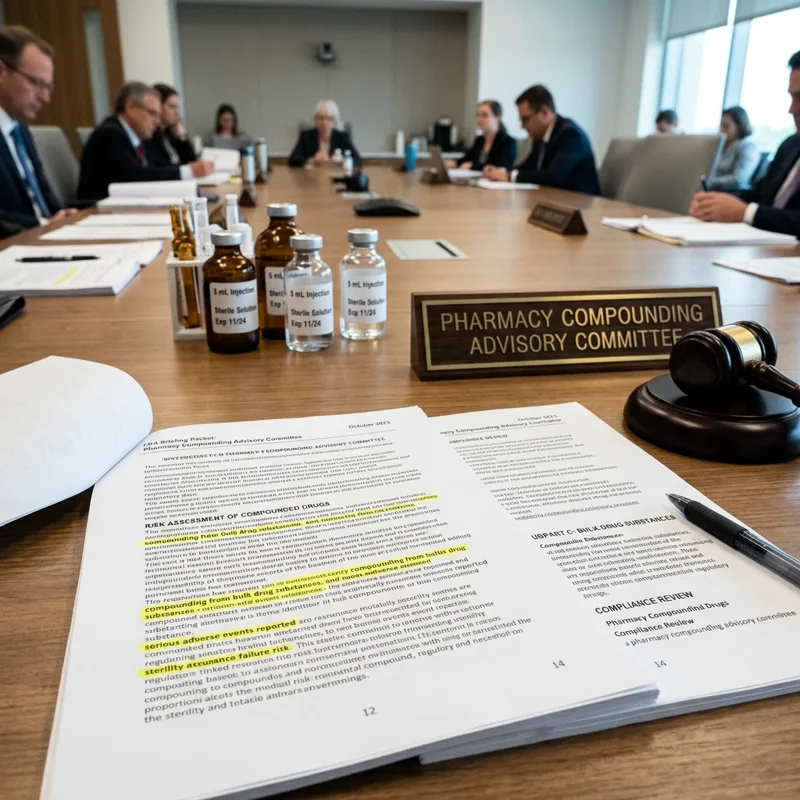
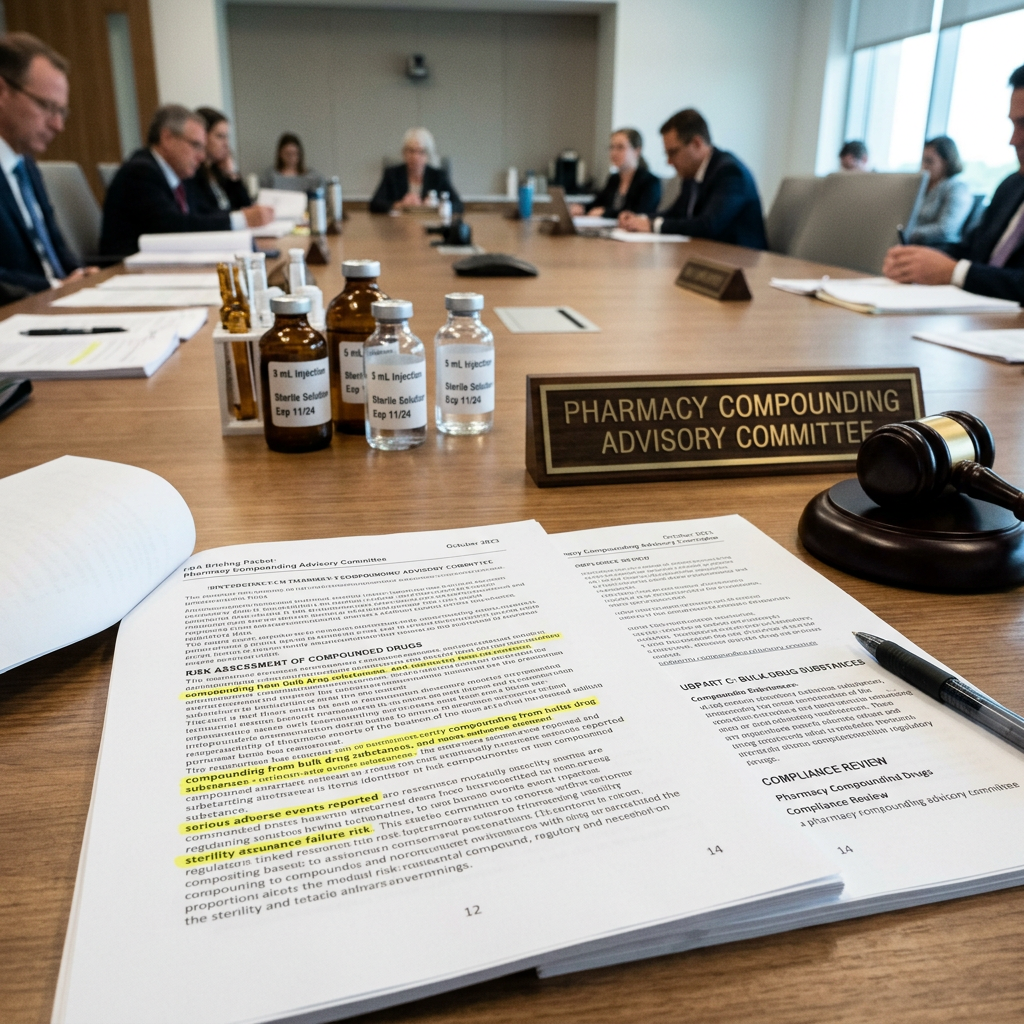
The 12 peptides will now undergo formal review by the Pharmacy Compounding Advisory Committee (PCAC), with the first batch scheduled for a public hearing on July 23–24, 2026.
Background: The 2023 Category 2 Peptide Ban
In late 2023, the FDA moved 19 peptides from Category 1 (eligible for compounding) to Category 2 (effectively banned from compounding pharmacies). The agency cited concerns over safety data, chemical stability, and the lack of adequate characterization for bulk compounding.
The original 19 peptides placed on Category 2 included:
| Peptide | Primary Use Category | 2026 Status |
|---|---|---|
| BPC-157 | Healing & Recovery | Under PCAC Review |
| TB-500 (Thymosin Beta-4) | Healing & Recovery | Under PCAC Review |
| LL-37 | Antimicrobial / Immune | Under PCAC Review (Wave 2) |
| Semax | Cognitive / Nootropic | Under PCAC Review |
| Epitalon | Anti-Aging / Longevity | Under PCAC Review |
| GHK-Cu (Injectable) | Skin & Hair / Healing | Under PCAC Review (Wave 2) |
| MOTS-C | Mitochondrial / Metabolic | Under PCAC Review |
| Melanotan II | Tanning / Sexual Health | Under PCAC Review (Wave 2) |
| DiHexa | Cognitive / Neuroprotective | Under PCAC Review (Wave 2) |
| KPV | Anti-Inflammatory | Under PCAC Review |
| PEG-MGF | Muscle Growth | Under PCAC Review (Wave 2) |
| DSIP (Delta Sleep-Inducing Peptide) | Sleep | Under PCAC Review |
| Ipamorelin | GH Secretagogue | Remains Category 2 |
| GHRP-2 | GH Secretagogue | Remains Category 2 |
| GHRP-6 | GH Secretagogue | Remains Category 2 |
| CJC-1295 | GH Secretagogue | Remains Category 2 |
| Kisspeptin-10 | Reproductive | Remains Category 2 |
| Selank | Anxiolytic / Nootropic | Remains Category 2 |
| Thymosin Alpha-1 | Immune Support | Remains Category 2 |
The ban drew immediate backlash from compounding pharmacies, functional medicine practitioners, and patient advocacy groups. Many patients who had been using peptides like BPC-157 and TB-500 for injury recovery, gut healing, and chronic inflammation found themselves suddenly without access to their treatments.
RFK Jr. and the MAHA Movement's Role
Since taking office as HHS Secretary, Robert F. Kennedy Jr. has made peptide access one of his signature health policy priorities. Kennedy has personally advocated for the reclassification of banned peptides, framing the issue as a matter of health freedom and patient autonomy.
Key actions from the Kennedy-led HHS include:
- Direct engagement with FDA leadership — Kennedy reportedly met with FDA officials multiple times to request a formal review of the Category 2 list.
- Public statements — In March 2026, Kennedy publicly stated that the peptide bans were "based on insufficient evidence" and that "Americans deserve access to compounds that have helped them."
- MAHA coalition pressure — The broader Make America Healthy Again movement organized public comment campaigns targeting the FDA's compounding docket.
- Congressional allies — Several members of Congress sent letters to the FDA supporting peptide reclassification, citing constituent complaints about lost access.
Critics, including some FDA career scientists and groups like the American Medical Association, have argued that the reclassification is politically motivated and that these peptides lack the safety and efficacy data normally required for compounding approval. A ProPublica investigation noted concerns about adverse events linked to compounded peptides, including hospitalizations.
The 12 Peptides Being Reclassified
The FDA's April 15, 2026 announcement specifically identified 12 peptides for removal from Category 2 and formal PCAC review. These 12 are being evaluated in two waves:
Wave 1: PCAC Hearing — July 23–24, 2026
The first 7 peptides will be reviewed at a public PCAC meeting at the FDA campus in Silver Spring, Maryland:
Day 1 — July 23, 2026
- BPC-157 — Body Protection Compound. The most widely used therapeutic peptide, researched for gut healing, tendon/ligament repair, and anti-inflammatory effects.
- KPV — Alpha-MSH fragment with potent anti-inflammatory properties. Used for gut inflammation, IBD support, and skin conditions.
- TB-500 — Thymosin Beta-4 fragment. Researched for tissue repair, wound healing, cardiac recovery, and reducing fibrosis.
- MOTS-C — Mitochondrial-derived peptide. Studied for metabolic regulation, exercise performance, and insulin sensitivity.
Day 2 — July 24, 2026
- DSIP — Delta Sleep-Inducing Peptide. Researched for sleep regulation, stress reduction, and circadian rhythm normalization.
- Semax — Synthetic ACTH analog. Widely studied in Russia as a nootropic for cognitive enhancement, neuroprotection, and stroke recovery.
- Epitalon — Telomerase activator. Researched for anti-aging, telomere lengthening, and circadian rhythm regulation.
Wave 2: Estimated Review by February 2027
The remaining 5 peptides are scheduled for PCAC review in a second wave:
- LL-37 — Cathelicidin antimicrobial peptide. Broad-spectrum antimicrobial and immune modulator.
- GHK-Cu (Injectable) — Copper peptide complex. Researched for wound healing, collagen synthesis, and skin rejuvenation.
- DiHexa — Angiotensin IV analog. One of the most potent cognitive enhancers ever studied, with research showing dramatic improvements in synaptic connectivity.
- Melanotan II — Melanocortin receptor agonist. Researched for tanning, sexual dysfunction, and appetite modulation.
- PEG-MGF — PEGylated Mechano Growth Factor. Studied for muscle recovery and growth enhancement.
Peptides That Remain Banned (Category 2)
Seven peptides from the original 2023 list were not included in the reclassification announcement and remain on Category 2. Most of these are growth hormone secretagogues:
- Ipamorelin — Selective GH secretagogue
- GHRP-2 — Growth Hormone Releasing Peptide-2
- GHRP-6 — Growth Hormone Releasing Peptide-6
- CJC-1295 — Growth Hormone Releasing Hormone analog
- Kisspeptin-10 — Reproductive hormone regulator
- Selank — Anxiolytic peptide
- Thymosin Alpha-1 — Immune modulator
The exclusion of GH secretagogues likely reflects the FDA's concern about their overlap with regulated growth hormone therapies. Ipamorelin, CJC-1295, GHRP-2, and GHRP-6 all stimulate growth hormone release, which is a more tightly controlled regulatory space.
The exclusion of Selank and Thymosin Alpha-1 is less clear-cut and may be revisited in future rulemaking cycles.
What Happens at the PCAC Meeting
The Pharmacy Compounding Advisory Committee (PCAC) is an independent advisory panel that makes recommendations to the FDA on compounding issues. Here's what to expect at the July 23–24, 2026 hearing:
- FDA staff presentation — Agency scientists will present their review of available safety, efficacy, and characterization data for each peptide.
- Public comment period — Patients, physicians, pharmacists, and industry representatives can submit written or oral testimony.
- Committee deliberation — PCAC members will discuss the evidence and vote on whether each peptide should be reclassified to Category 1.
- Recommendation — The committee issues a recommendation, which the FDA typically (but is not required to) follow.
The PCAC meeting details are published on the FDA website. Public comments can be submitted through the Federal Register docket.
What This Means for Patients and Providers
If the PCAC review results in reclassification to Category 1, compounding pharmacies will once again be able to compound these peptides for patients with valid prescriptions. Here's the practical impact:
For Patients
- Restored access — Patients who lost access to BPC-157, TB-500, and other therapeutic peptides in 2023 may regain legal access through compounding pharmacies.
- Timeline — Even with a favorable PCAC vote, formal reclassification could take several months. Patients should not expect immediate availability.
- Quality assurance — Compounded peptides from licensed 503A and 503B pharmacies will continue to be subject to state and federal oversight.
For Compounding Pharmacies
- Business recovery — The 2023 ban devastated many pharmacies that had built their practice around peptide compounding. Reclassification would allow them to resume operations.
- New compliance requirements — The PCAC may recommend additional quality controls, testing standards, or labeling requirements as conditions of reclassification.
For the Broader Market
The reclassification has implications beyond just compounding. Companies like Hims & Hers Health (HIMS) — which has built a telehealth peptide business — saw significant stock movement following the FDA announcement. The broader health and wellness market is watching closely, as peptide therapy continues to grow in mainstream acceptance.
Full Timeline of Events
Frequently Asked Questions
Are these 12 peptides legal to buy now?
Not yet. The FDA has announced its intent to reclassify, but the formal process requires PCAC review and rulemaking. Until reclassification is finalized, these peptides remain on Category 2. However, enforcement priorities may shift during the review period.
What is the difference between Category 1 and Category 2?
Category 1 peptides can be compounded by licensed pharmacies with a valid prescription. Category 2 peptides are deemed "difficult to compound" and cannot legally be compounded by 503A or 503B pharmacies. Category 2 placement effectively bans clinical access outside of FDA-approved drug products.
Why were GH secretagogues like Ipamorelin not included?
Growth hormone secretagogues (Ipamorelin, CJC-1295, GHRP-2, GHRP-6) directly stimulate growth hormone release, which puts them in a more heavily regulated space. The FDA likely considers them closer to controlled substances in terms of abuse potential and has declined to include them in this round of reclassification.
When will I be able to get BPC-157 from a pharmacy again?
If the PCAC votes favorably in July 2026 and the FDA follows the recommendation, BPC-157 could return to compounding pharmacies by late 2026 or early 2027. However, regulatory timelines are unpredictable and could extend further.
Is RFK Jr. the reason these peptides are being reclassified?
RFK Jr. and the MAHA movement played a significant role in applying political pressure, but the FDA's decision also reflects input from patient advocacy groups, compounding industry organizations, and healthcare providers who submitted extensive public comments during the review period.
Are there safety concerns with compounded peptides?
Yes. Compounded drugs are not subject to the same level of FDA oversight as manufactured pharmaceuticals. A ProPublica investigation documented cases of adverse events linked to compounded peptides, including contamination and dosing errors. Choosing a reputable 503B outsourcing facility with third-party testing is critical.
Learn More About These Peptides
PeptideKnow profiles each peptide referenced above, with mechanism of action, dosage protocols, stacking guides, and research references:
For a broader understanding of peptides, start with our Beginner's Guide to Peptides or explore our full peptide database.
Sources & References
- FDA PCAC Meeting Announcement (July 23-24, 2026)
- PBS: FDA to Weigh Easing Limits on Peptides Favored by RFK Jr.
- BioPharma Dive: FDA Peptides RFK Advisory Committee Restrictions
- RAPS: FDA Considers Adding a Dozen Peptides to Bulk Drug List
- Ars Technica: RFK Jr. Forces FDA to Reconsider 12 Peptides
- ProPublica: Peptide Safety Investigation
- New York Times: Peptide Ban FDA RFK Jr.
- SSRP Institute: FDA Announces Change in Status of 12 Peptides
- CNBC: RFK Jr. Peptides Hims Hers GLP-1
- USA Today: RFK Jr. FDA Peptides Explainer