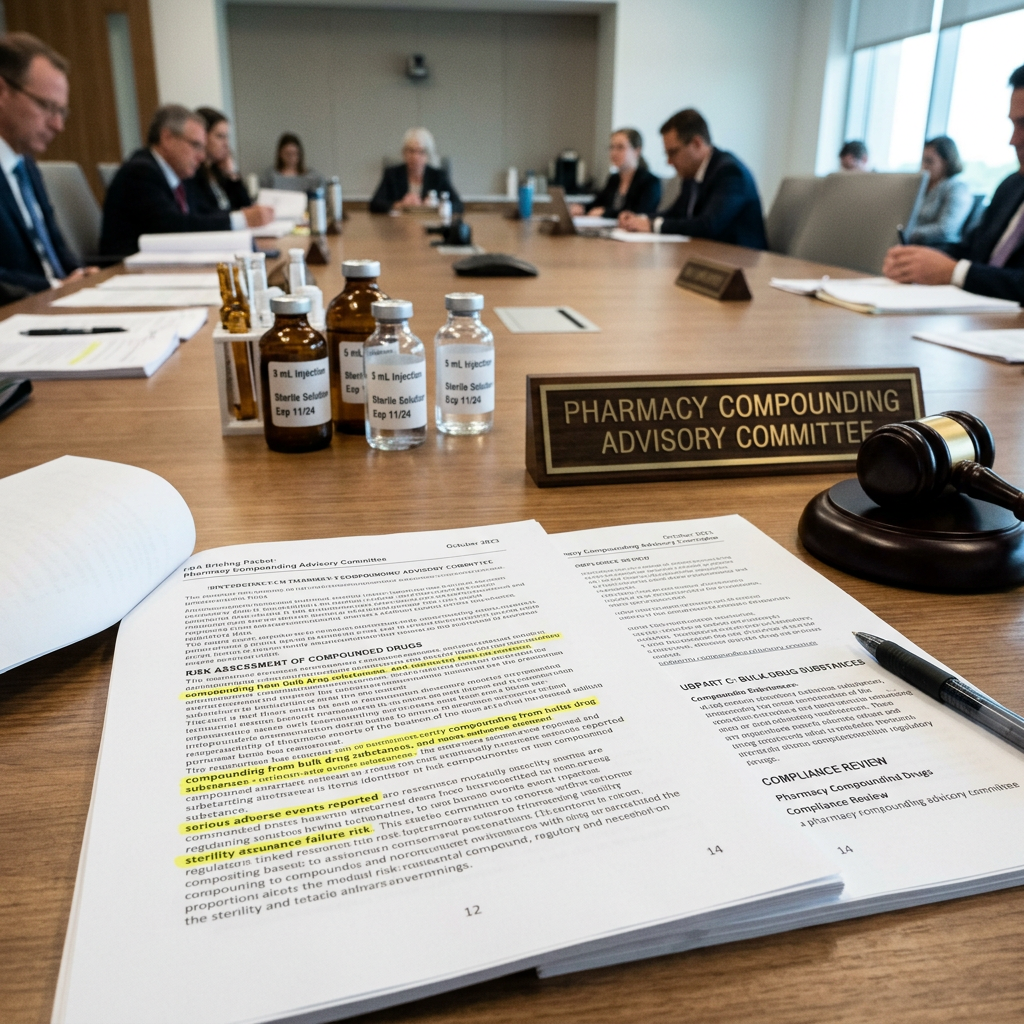
TB-500
Also known as: Thymosin Beta-4 Fragment, Ac-LKKTETQ, Tβ4 Active Fragment
Overview
TB-500 is a synthetic heptapeptide corresponding to the N-acetylated active fragment (amino acids 17–23) of the endogenous 43-amino acid signaling protein thymosin beta-4. First isolated from thymus tissue in the 1960s, thymosin beta-4 is one of the most abundant G-actin sequestering molecules in mammalian cells. The TB-500 fragment retains the key LKKTET sequence responsible for much of the biological activity while offering improved bioavailability.
Mechanism of Action
TB-500's primary mechanism involves high-affinity binding to monomeric G-actin (Kd ~0.5-0.7 μM), sequestering it and preventing polymerization into F-actin filaments. This enables rapid cytoskeletal remodeling critical for cell migration and wound closure. Additional mechanisms include VEGF mRNA upregulation (2.5-3.8 fold), enhanced endothelial cell migration and angiogenesis, NF-κB pathway inhibition reducing pro-inflammatory cytokines (TNF-α, IL-1β, IL-6 by 40-60%), stem cell mobilization via the SDF-1α/CXCR4 axis, and modulation of extracellular matrix through MMP expression regulation.
Potential Benefits
- Accelerated wound closure rates 40-55% faster than controls in diabetic models
- Reduced inflammation through NF-κB inhibition and cytokine modulation
- Improved muscle flexibility and reduced scar formation
- Cardiac protection with ejection fraction improvements of 15-25% post-MI in animal models
- Enhanced re-epithelialization and improved tissue quality
- Stem cell mobilization to sites of injury
- Corneal, dermal, and cardiac tissue repair support
Dosage Protocols
The following reflects doses used in published research studies. This is not medical advice. Consult a qualified healthcare professional.
| Typical Range | 2-5 mg/week |
| Beginner | 2 mg/week |
| Intermediate | 2.5-4 mg/week |
| Advanced | 5-7 mg/week |
| Cycle Duration | 4-8 weeks loading, then maintenance |
| Cycle Off | 4-8 weeks |
Often used in a loading phase (2x/week) for 4 weeks followed by a maintenance phase (once/week). Doses are in mg, not mcg, due to the larger peptide size.
Use our Reconstitution Calculator to determine exact syringe units for your protocol.
Routes of Administration
Subcutaneous Injection High — systemic distribution
Most common method. TB-500 has systemic effects regardless of injection site. Typical loading dose 2–5 mg, 2x/week.
Intramuscular Injection High — localized and systemic
Can be injected near injury site though systemic effects occur regardless of location.
Read our full Routes of Administration Guide for detailed comparison of all delivery methods.
Stacking Protocols
Popular research stacks involving TB-500:
Comprehensive Healing Stack
Multi-pathway tissue repair. TB-500 for systemic remodeling, BPC-157 for tendon/gut healing, GHK-Cu for collagen and skin regeneration.
Cardiac Recovery Stack
Heart and metabolic support. TB-500 activates cardiac progenitor cells, BPC-157 supports vascular repair, MOTS-C enhances mitochondrial function.
Explore our complete Peptide Stacking Guide for more combinations and safety considerations.
Reconstitution
| Typical Vial Size | 5mg, 10mg |
|---|---|
| BAC Water | 1-2ml per 5mg vial |
| Storage | Refrigerate at 2-8°C after reconstitution |
| Shelf Life | 28-30 days refrigerated |
Need exact syringe measurements?
Amino Acid Sequence
Ac-SDKPDMAEIEKFDKSKLKKTETQEKNPLPSKETIEQEKQAGES (full Tβ4); Active fragment: Ac-LKKTETQ
Side Effects & Safety
- Potential tumor growth promotion (theoretical concern with angiogenic activity)
- Flu-like symptoms reported anecdotally
- Lethargy immediately post-injection in some cases
- Long-term human safety data lacking
Safety & Contraindications
This information is for educational purposes only. Consult a qualified healthcare provider before using any peptide.
Pregnancy / Lactation
Bleeding Disorders
Active Skin Infection at Injection Site
FDA Safety Information
FDA Category 2 concerns (Thymosin Beta-4 fragment): immunogenicity, no human exposure data.
Pharmacokinetics
| Half-Life | 2-3 hours (parent peptide); biological effects persist much longer due to actin-binding |
|---|---|
| Storage | Store lyophilized peptide at -20°C (long-term) or 2-8°C (short-term, under 30 days). Reconstituted: refrigerate at 2-8°C and use within 28-30 days. Protect from light. Do not freeze reconstituted solution. |
Synergistic Compounds
The following compounds have been studied alongside TB-500 for potential complementary or synergistic effects:
Learn More
References & Further Reading
- TB-500 Wikipedia
- TB-500 Molecular Structure - Peptide Biologix
- Thymosin Beta-4 Tissue Repair - Core Peptides
- Thymosin β4: roles in development, repair, and engineering of the cardiovascular system
- Thymosin beta 4 activates integrin-linked kinase and promotes cardiac cell migration, survival and cardiac repair
Latest News & Research
View all articles →
FDA Staff Reviewers Say ‘No’ to 7 Compounded Peptides Ahead of July PCAC Vote
FDA staff reviewers urged against adding seven popular peptides to the 503A bulks list ahead of the July PCAC meeting, citing weak human data and safety uncertainty.

FDA reviewers urge ‘no’ on BPC-157, TB-500, MOTS-c ahead of July 2026 compounding vote
FDA reviewers’ June 29 briefings recommend against listing seven popular peptides for 503A compounding, citing limited human data and immunogenicity risk.

Medicare Starts Paying for Obesity Drugs Today — Bridge Program Opens $50 Access for Millions
Medicare's new $50 Bridge program covering Wegovy, Zepbound, Foundayo, and oral Wegovy for obesity launched July 1 — the first Medicare weight-loss benefit.
FDA staff urges caution on compounded peptides ahead of July advisory meeting
Ahead of the July 23–24 Pharmacy Compounding Advisory Committee meeting, FDA staff briefings recommend against listing seven popular peptides for compounding.