
A small Canadian drug-delivery company is putting its oral semaglutide formulation head-to-head against Novo Nordisk's Wegovy tablet — and the trial that started in mid-June is the first time anyone has tested a competing tablet design against the brand-name pill over multiple weeks of dosing.
Lexaria Bioscience announced on June 25, 2026 that dosing in its seventh human pilot study, designated GLP-1-H26-7, began on schedule on June 14. The five-week pharmacokinetic trial compares two of Lexaria's DehydraTECH-semaglutide compositions, one tablet and one capsule, against commercially available Wegovy tablets under fasted conditions. The company says the trial is fully funded from existing corporate resources, and the results are expected to be reviewed by potential pharmaceutical partners considering commercial relationships built around DehydraTECH.
The trial is small, it is a pilot, and it will not produce efficacy data for either weight loss or glycemic control. But it represents something the oral-semaglutide market has not really had since Novo Nordisk launched Rybelsus in 2019: a multi-week, head-to-head pharmacokinetic comparison between Novo's SNAC-based pill technology and a different oral-delivery approach using the same active molecule.
What is actually being tested
Lexaria's product is not a new peptide. The active is semaglutide, the same glucagon-like peptide-1 receptor agonist that Novo Nordisk markets as Ozempic for type 2 diabetes, Wegovy for weight management, and Rybelsus as an oral tablet for type 2 diabetes. What Lexaria is testing is a different way of getting that peptide across the gastric mucosa and into systemic circulation.
Peptides are notoriously hard to deliver orally. Semaglutide is no exception. The peptide is destroyed by gastric acid and digestive enzymes long before it can cross the intestinal epithelium. Novo Nordisk solved this with sodium N-(8-[2-hydroxybenzoyl] amino) caprylate — known as SNAC — a permeation enhancer that briefly raises local gastric pH and helps semaglutide cross the gastric epithelium in the stomach. Rybelsus and the higher-dose Wegovy tablet both rely on SNAC, and both must be taken on an empty stomach with no more than a sip of water, followed by a 30-minute fast.
Lexaria's DehydraTECH platform takes a different tack. It is a patented processing technology — Lexaria reports a portfolio of 66 granted patents — that conditions a drug compound to improve absorption through lipid pathways. The company says DehydraTECH has shown the ability to increase bio-absorption, reduce side effects, and in some cases enhance blood-brain barrier penetration across a range of drug classes. In two earlier single-dose pilot studies — GLP-1-H24-1 and GLP-1-H24-2, conducted in 2024 and 2025 — DehydraTECH-semaglutide capsules formulated with SNAC matched or exceeded the pharmacokinetic performance of Rybelsus controls. A fourth study, GLP-1-H24-4, is cited as evidence of a favorable safety and tolerability profile.
The new trial does three things those earlier studies did not. It uses a tablet, not just a capsule. It runs for five weeks of repeated dosing rather than a single dose. And the comparator is the higher-dose Wegovy tablet, not the lower-dose Rybelsus diabetes pill.
Three arms, one molecule
According to Lexaria's June 25 disclosure, the parallel-group study includes three arms:
- SNAC-inclusive DehydraTECH-semaglutide in tablet format
- SNAC-inclusive DehydraTECH-semaglutide in capsule format
- Commercially available Wegovy tablets as the control
Subjects dose under fasted pre-dose conditions, mirroring the administration instructions Novo Nordisk specifies for both Rybelsus and the oral Wegovy. The five-week duration was chosen so that semaglutide blood concentrations in each arm reach steady state — the equilibrium where drug input from each daily dose is balanced by the natural elimination from prior doses.
Lexaria has not publicly disclosed the number of subjects, the trial site, the IRB or ethics committee of record, or an expected readout date. The company has stated the trial is fully funded from existing resources, which removes one of the more common pilot-stage failure modes.
Why this matters now
Oral GLP-1 is the most contested space in metabolic medicine. Novo Nordisk and Pfizer and AstraZeneca and Eli Lilly and Roche and a handful of Chinese developers are all racing to figure out which oral approach actually works at scale. The bottleneck is bioavailability — Rybelsus' oral semaglutide reaches only about 1 percent systemic exposure, which is why each tablet contains a much larger semaglutide load than the equivalent injectable dose.
That low bioavailability is also why the field has split in two. One half is racing toward small-molecule oral agonists that bypass the peptide-delivery problem entirely. Elecoglipron (AstraZeneca's AZD5004) and danuglipron (Pfizer, discontinued) and orforglipron (Eli Lilly) are all non-peptide molecules that bind the GLP-1 receptor without the absorption problem semaglutide has. The other half is trying to fix oral peptide delivery itself — better permeation enhancers, lipid carriers, gastric-retention systems. Lexaria sits squarely in that second camp.
If DehydraTECH can match or exceed Wegovy tablet pharmacokinetics with the same molecule and a simpler dosing protocol, the implications cut several ways. Novo's pill is the gold standard but it has a strict fasted-dosing window. A formulation that achieves comparable exposure with a tablet that does not require 30 minutes of fasting after dosing would meaningfully change how patients use oral GLP-1. It would also change how compounders and generic developers think about formulation. Even modest improvements in bioavailability of oral semaglutide compound across millions of prescriptions, and the entire commercial logic of the oral GLP-1 segment rests on whether bioavailability can be pushed beyond Rybelsus' single-digit ceiling.
The broader oral and once-weekly pipeline
The peptide-delivery question is not theoretical. Several other oral peptide programs are advancing in parallel. EB613, an oral parathyroid hormone tablet for osteoporosis, is in late-stage development. EB618 is an oral oxyntomodulin tablet for obesity and metabolic disease. Novo Nordisk itself is preparing a higher-dose oral Wegovy launch in the U.S. and Europe.
Once-weekly and once-monthly injectables are pushing the other direction. ASC35 from Ascletis is a once-monthly GLP-1/GIP dual agonist designed for very long half-life. Enicepatide (Roche's CT-388) is a once-weekly GLP-1/GIP. Tirzepatide is the existing once-weekly dual agonist standard. Each is competing for the same patient — someone for whom the question is no longer whether to use a GLP-1 but how that GLP-1 should arrive in their body.
This is the market context Lexaria is walking into. A pilot trial of 5 weeks does not move that market by itself. A favorable readout might persuade a larger partner to license DehydraTECH-semaglutide for full development. An unfavorable readout would shrink the company's options sharply.
The science of SNAC — and why tablet format matters
Helen Branswell's STAT colleagues have spent years explaining SNAC. The compound itself is older than the GLP-1 boom; Novo Nordisk acquired it from Emisphere Technologies in 2020 for $1.8 billion, and the bet was that SNAC would unlock oral delivery of more than just semaglutide. So far, that thesis is still being tested.
SNAC works by transiently chaperoning peptide across the gastric epithelium. It locally raises pH around the dosing site, which protects semaglutide from gastric proteases. It also interacts with the membrane in a way that allows the peptide to slip through. The window is narrow — water, food, or other tablets interfere — which is why the dosing instructions are so strict.
Lexaria's DehydraTECH platform claims to enhance lipid-based absorption of an active. When combined with SNAC, the company's hypothesis is that the two mechanisms can stack — DehydraTECH conditioning improves baseline absorption, SNAC opens the epithelial window, and the formulation reaches steady-state blood concentrations that match or beat Rybelsus and now Wegovy tablets. The two earlier capsule studies offered preliminary support for that hypothesis. The tablet has never been tested over multiple weeks until now.
Tablet versus capsule matters more than it sounds. Capsule formulations are gentler on a manufacturer in early-stage research because they are easier to assemble. Tablets are what commercial GLP-1 products use, because they compress better, ship better, and dose more precisely. Moving from a working capsule to a working tablet is a real engineering step, and a tablet that performs comparably to the brand-name Wegovy tablet would be significantly more attractive to a pharmaceutical licensee than a capsule alone.
What the trial cannot answer
This pilot is not powered for efficacy. It will not produce HbA1c data. It will not produce weight-loss data. It will not run long enough to capture rare adverse events. Even a strong pharmacokinetic signal would need to be confirmed in larger trials before any regulator considers approval.
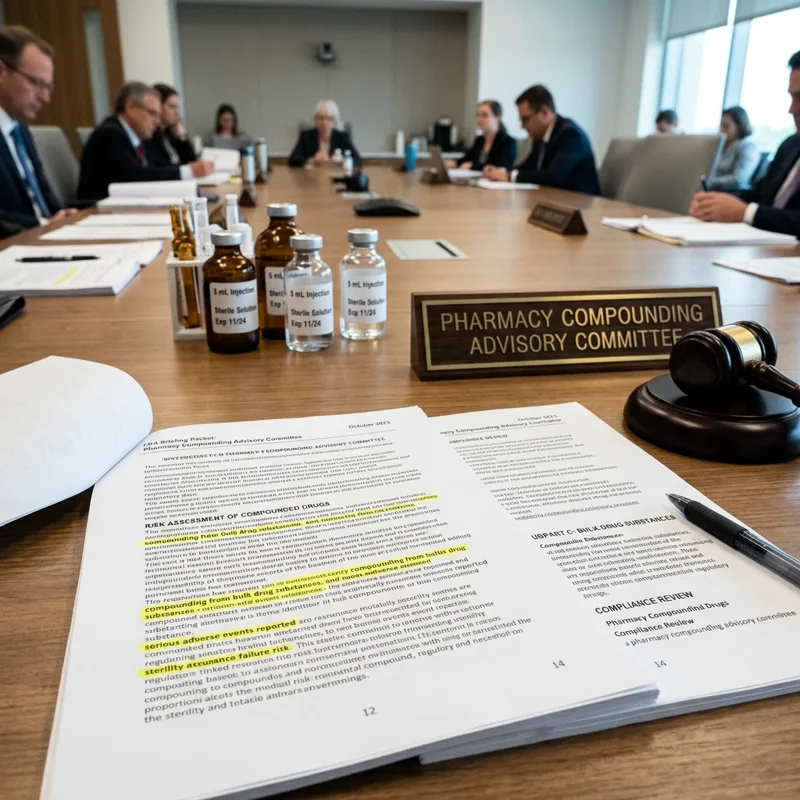
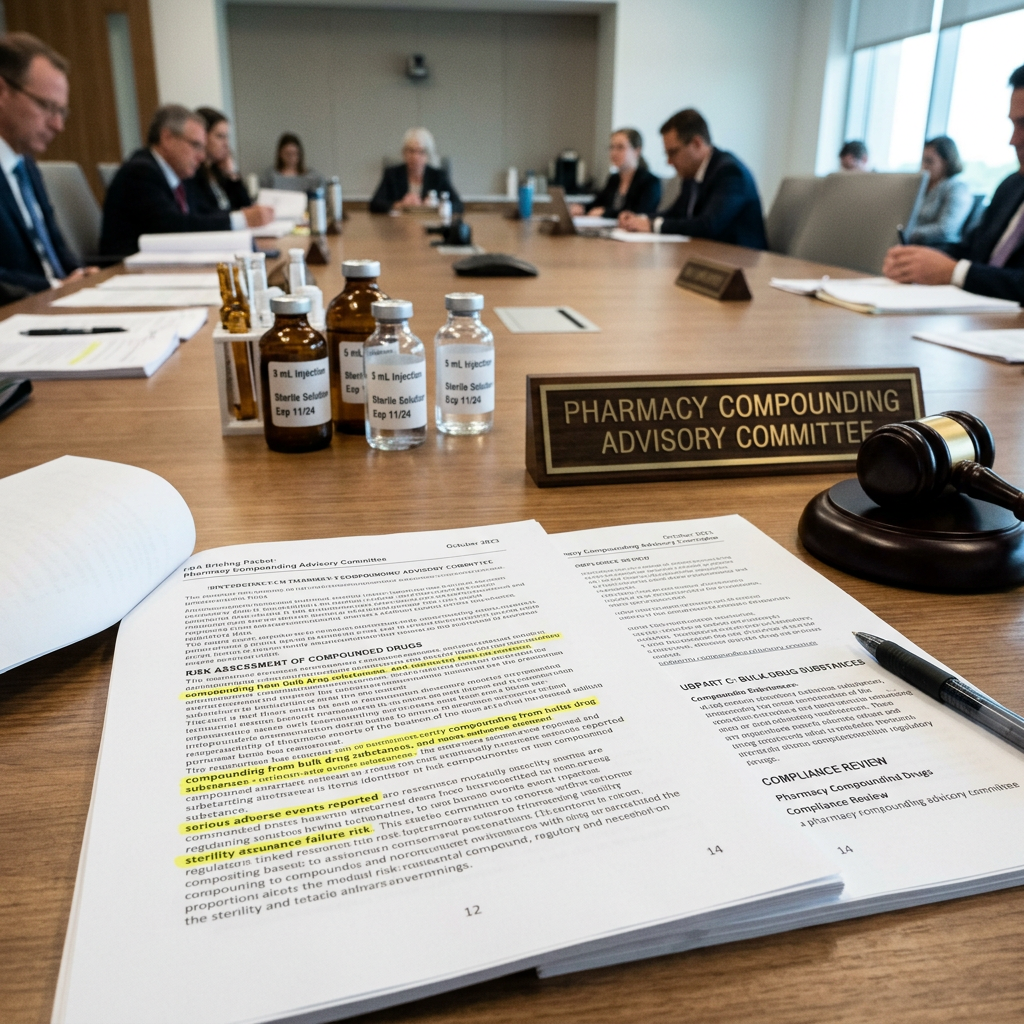
The trial also does not address compounding. Compounded semaglutide remains the subject of active FDA enforcement. Harris Beach Murtha's June 25 analysis notes that the FDA has received multiple adverse-event reports tied to dosing errors with compounded injectable semaglutide. Lexaria's product is a branded formulation in pilot trials, not a compounded preparation, and would face its own approval pathway separate from the 503A or 503B compounding regimes.
And the trial will not by itself resolve the deeper question hanging over oral peptide delivery — whether SNAC plus a delivery enhancer can ever push bioavailability above the single-digit ceiling that has so far defined oral peptide absorption. A useful PK improvement could still leave oral semaglutide several orders of magnitude less efficient than the injection. The economic logic of oral GLP-1 depends on whether that gap can be closed enough to make tablets competitive on dose-cost terms with weekly injections.
Frequently Asked Questions
Is Lexaria's product a different peptide than Wegovy?
No. The active peptide is semaglutide — the same molecule Novo Nordisk markets as Wegovy, Ozempic, and Rybelsus. What is different is how Lexaria formulates and delivers it. DehydraTECH is a drug-delivery platform that aims to improve oral bioavailability of the molecule. Think of it like delivering the same letter through a different envelope and postal route.
What does SNAC do, in plain language?
Semaglutide is a peptide, and peptides are normally destroyed in the stomach. SNAC is a chemical chaperone that briefly raises the pH around the dosing site and helps semaglutide cross the gastric lining intact. It is the reason Rybelsus and the oral Wegovy work at all. Lexaria is now using SNAC inside its own DehydraTECH formulation rather than relying on it alone.
How long until results are public?
Lexaria has not disclosed an expected readout date. The dosing duration is five weeks, with steady-state expected within that window. Pharmacokinetic results typically follow within weeks to a few months after the final dose, though companies vary in how quickly they release pilot data.
Does this affect compounded semaglutide?
Not directly. Lexaria is testing a branded oral formulation under a pilot study, not a compounded product. Compounded GLP-1 enforcement is a separate regulatory matter and is unaffected by the outcome of this trial.
Why fasted dosing?
SNAC's effect on the gastric lining requires a relatively empty stomach. Food and water dilute SNAC and shift gastric pH in ways that reduce semaglutide absorption. Lexaria is using fasted dosing to compare its formulations against Wegovy under the same conditions Novo Nordisk specifies on its label.
What is the company's commercial play here?
Lexaria has stated the data are intended for evaluation by potential pharmaceutical partners. A strong PK match against Wegovy would position DehydraTECH-semaglutide as a licensable asset. The company has roughly 66 patents granted globally on DehydraTECH, which is the asset it would actually license rather than the finished tablet.
Sources
- Lexaria Bioscience, "Lexaria's Human Study GLP-1-H26-7 Has Begun Dosing on Schedule," ACCESS Newswire / MarketScreener, June 25, 2026.
- Benzinga, "Lexaria Bioscience Announces It Began Dosing On June 14 In Its Human Study GLP-1-H26-7 Evaluating Two Oral DehydraTECH-Semaglutide Compositions," June 25, 2026.
- Harris Beach Murtha Cullina, "GLP-1 Weight-Loss Drugs Off Shortage List; Deadlines to Stop Compounding," June 25, 2026.
- U.S. Food and Drug Administration, "FDA's Concerns with Unapproved GLP-1 Drugs Used for Weight Loss."
- PeptideKnow — Weight Loss & Metabolic Peptides
- PeptideKnow — Gastrointestinal Peptides
Sources & References
- FDA PCAC Meeting Announcement (July 23-24, 2026)
- PBS: FDA to Weigh Easing Limits on Peptides Favored by RFK Jr.
- BioPharma Dive: FDA Peptides RFK Advisory Committee Restrictions
- RAPS: FDA Considers Adding a Dozen Peptides to Bulk Drug List
- Ars Technica: RFK Jr. Forces FDA to Reconsider 12 Peptides
- ProPublica: Peptide Safety Investigation
- New York Times: Peptide Ban FDA RFK Jr.
- SSRP Institute: FDA Announces Change in Status of 12 Peptides
- CNBC: RFK Jr. Peptides Hims Hers GLP-1
- USA Today: RFK Jr. FDA Peptides Explainer