The U.S. Food and Drug Administration has accepted two abbreviated new drug applications from Sandoz for a generic version of tirzepatide. The applications, accepted on June 29, 2026, cover every indication for which Eli Lilly's branded tirzepatide products — Mounjaro and Zepbound — are currently approved. If both ANDAs clear the standard review timeline, Sandoz could become the first company to market a generic tirzepatide in the United States.
The acceptance is procedural, not an approval. But it is the moment from which the FDA's review clock begins, and it is the first time a generic application for tirzepatide has reached that stage. For a drug class that has dominated obesity and diabetes coverage for three years, the development of a generic pathway changes the underlying economics in ways the brand-side modeling has not fully absorbed.
What the FDA accepted
Sandoz submitted two ANDAs in mid-2026 covering its in-house developed tirzepatide formulation, delivered through an autoinjector device. Both were accepted for substantive review on June 29, according to the company's statement and confirmation through pharmaceutical trade press. The indications mirror the reference listed drug exactly: type 2 diabetes in adults and in patients aged ten years and older, chronic weight management in adults with obesity or with overweight and a weight-related comorbidity, and moderate-to-severe obstructive sleep apnea in adults with obesity.
Under FDA rules for generic drugs, an ANDA does not require new efficacy trials. The applicant must demonstrate that the proposed product is the same as the reference product in active ingredient, dosage form, strength, route of administration, and labeling, and that it is bioequivalent. The standard review goal date is ten months from acceptance, which places a potential decision in the spring of 2027. The agency can extend that timeline if it requests additional information, and patent and exclusivity litigation can delay launch even after approval.
Sandoz characterized its candidate as one of the first generic tirzepatide products that could reach U.S. patients on market formation — the term of art the company used to describe the point at which the relevant patent or exclusivity barriers have lifted and a generic launch becomes commercially possible. That formation point is contested. Lilly holds multiple patents covering tirzepatide composition of matter, methods of use, and the autoinjector device, with key expirations starting in 2036 and 2037, plus regulatory exclusivities for the obesity and OSA indications that extend at least into 2027.
Why this filing, why now
Sandoz is not a small operator chasing a long-shot generic. The Swiss-based company is the world's largest generics and biosimilars manufacturer by volume, spun out of Novartis as an independent public company in 2023, and it has spent the post-spinoff period building toward a portfolio of high-value injectable peptide and biosimilar launches. Tirzepatide is the highest-revenue molecule the company has ever pursued on the generic side.
The arithmetic is straightforward. Mounjaro and Zepbound combined generated roughly $30 billion in 2025 sales worldwide, of which the U.S. market accounted for the majority. Industry analysts at Upday and other trade outlets have framed the broader injectable peptide patent cliff as a $650 billion opportunity across the next decade — a number that includes semaglutide and the next wave of tirzepatide generics and biosimilars. Sandoz wants to be first.
The timing also reflects something specific about how injectable peptide manufacturing has matured. For the first several years of tirzepatide's commercial life, the bottleneck was not patents — it was synthesis capacity and autoinjector fill-finish. Both have eased. Solid-phase peptide synthesis at the scales required for a national generic launch is now routine for contract manufacturers in Switzerland, India, and South Korea. Autoinjector platforms are widely licensable. The barriers that protected the brand for the first half of its commercial life are not the ones that will determine the next half.
The science: what makes tirzepatide hard to generic-ize
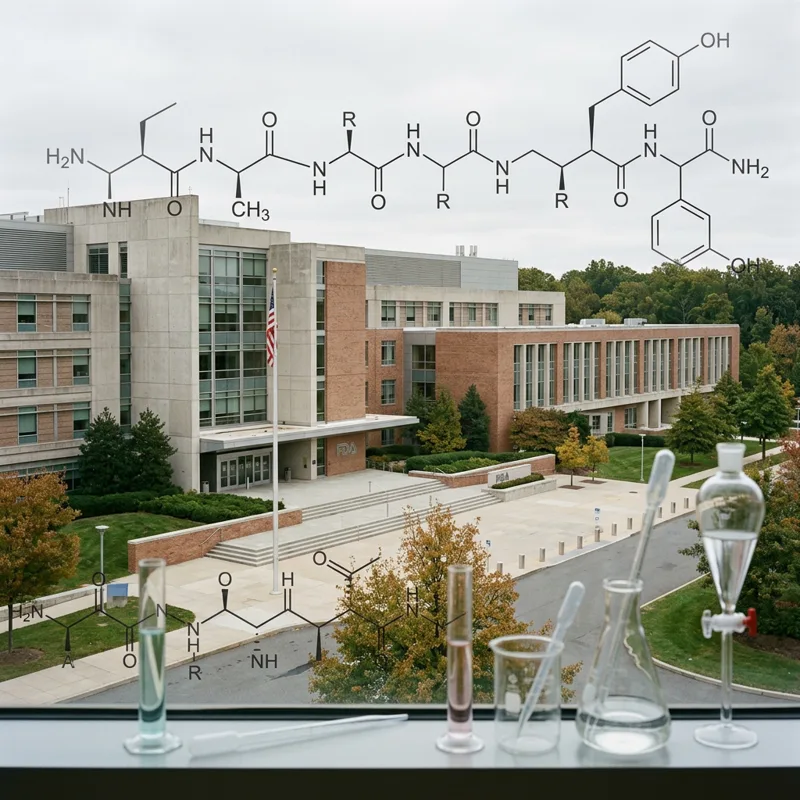
Tirzepatide is a 39-amino-acid synthetic peptide that activates two incretin receptors — GLP-1 and GIP — in a single molecule. It carries a C20 fatty diacid chain attached at lysine 20, which extends its half-life to roughly five days and enables once-weekly subcutaneous dosing. That structure is not trivial to replicate. Specific stereochemistry at each amino acid, the fatty acid attachment chemistry, and the purification profile all have to land within tight equivalence bounds for the FDA to consider the product bioequivalent.
Generic peptide drugs occupy a regulatory category that the FDA has refined over the past five years. They are not biologics. They are not small molecules. The agency's 2017 guidance on synthetic peptide ANDAs, updated in 2024, set out a tiered approach: identity testing for the primary sequence, characterization of impurity profiles against the reference product, and bioequivalence demonstration through pharmacokinetic studies in healthy volunteers. Immunogenicity assessment is required where the reference product is known to produce anti-drug antibodies, which is the case for tirzepatide at low rates.
Sandoz's filing reportedly includes data from a head-to-head pharmacokinetic study in approximately 200 healthy adults, comparing the proposed generic to the reference product at the 5 mg and 15 mg dose levels. The company has not released the underlying data publicly, citing the confidentiality of the application, but its public summary indicates the geometric mean ratios for area under the curve and maximum concentration fell within the FDA's accepted 80–125 percent equivalence window. If the agency agrees, that is the key technical hurdle cleared.
The immunogenicity question is the one to watch. Tirzepatide's GIP-receptor arm is not present in any previously approved peptide drug. Anti-drug antibody rates in the SURPASS and SURMOUNT trial programs were low but non-zero, and the clinical relevance of those antibodies remains contested in the literature. A generic application has to demonstrate that its impurity profile does not introduce new immunogenic risk relative to the brand. Reviewers will look closely at the host cell protein and aggregate impurity data.
What this could mean for patients and payers
Brand-name tirzepatide currently lists at roughly $1,000 to $1,400 per month in the U.S., depending on dose and indication, before manufacturer discounts and rebates. Patients without insurance coverage have routinely paid above $900. Insured patients have faced narrowing coverage as employer plans push back on the obesity indication. Coverage for the OSA indication, which the FDA approved in late 2024, remains uneven.
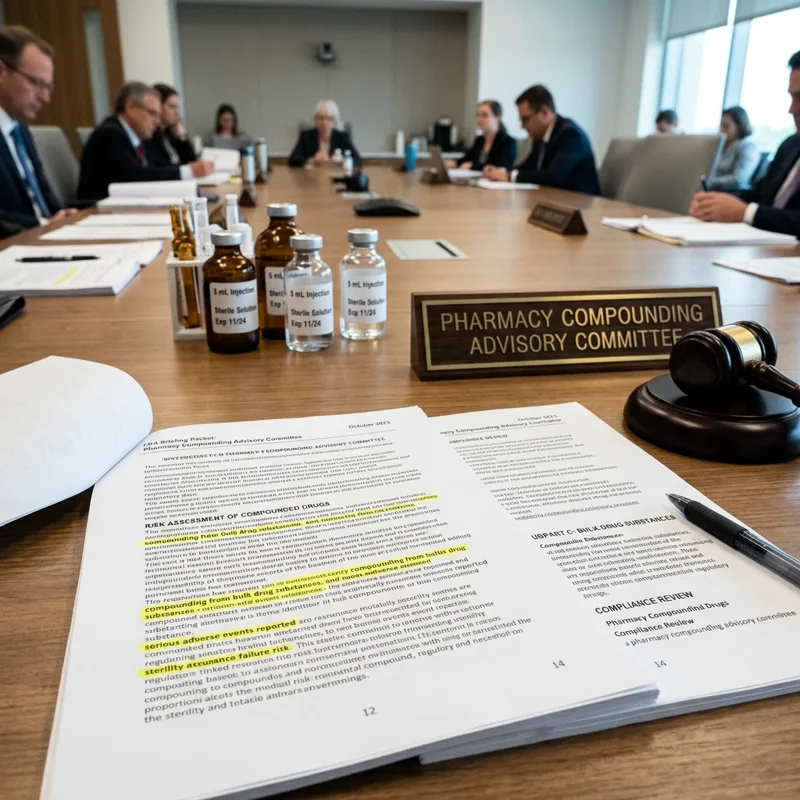
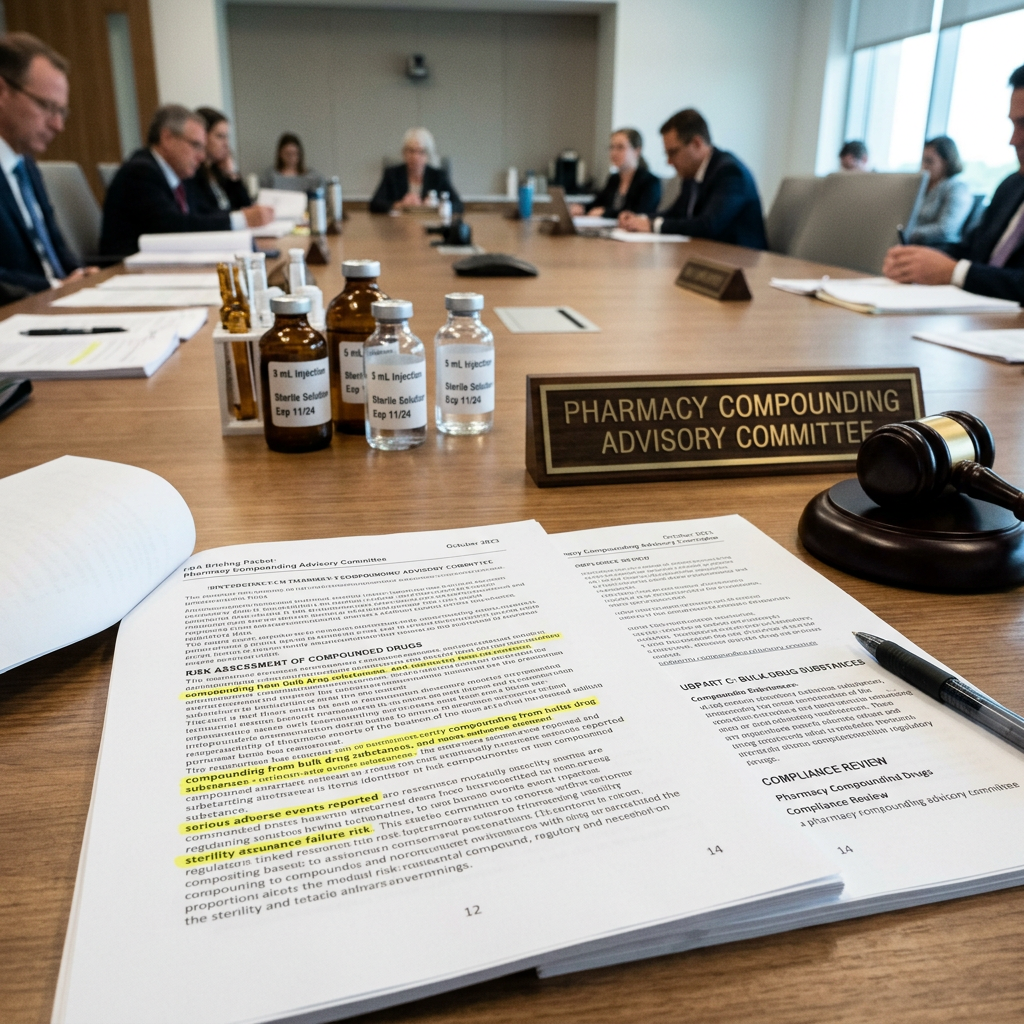
A generic entry — even at first-launch pricing of 50 to 70 percent of brand list — would not collapse the market. But it would change three things. First, cash-pay patients would have a meaningfully lower-cost option. Second, employer plans currently denying obesity coverage on cost grounds would lose their primary defense. Third, the compounding pharmacy supply chain that has filled the access gap since the original tirzepatide shortage ended would face direct competition from an FDA-approved generic. The compounding market for GLP-1 analogs has operated in regulatory gray territory since the shortage resolution and the FDA's subsequent enforcement actions, and an approved generic eliminates the shortage-driven rationale entirely.
For Lilly, the strategic response is already underway. The company has accelerated development of its next-generation incretin programs, including orally bioavailable small-molecule GLP-1 agonists and weekly-to-monthly dosing extensions of tirzepatide. Lilly has also expanded direct-to-consumer pricing through LillyDirect, lowered cash-pay prices for the lower dose strengths, and signed several large employer contracts that bundle obesity care with cardiovascular endpoints. None of those moves prevent generic entry; they soften its revenue impact.
The crowded incretin pipeline
Sandoz's ANDA acceptance does not happen in a vacuum. The injectable peptide space has compressed faster than any therapeutic class in recent memory. Several competing programs are moving through late-stage development and will reach the same patients on overlapping timelines. Ascletis's ASC35, a once-monthly GLP-1/GIP dual agonist, entered IND in early 2026. Roche's enicepatide is in Phase 3. Multiple Chinese biosimilar developers have filed in their domestic market and are signaling U.S. ambitions.
A generic version of tirzepatide is structurally distinct from those programs — it competes on price for the same molecule rather than on novelty. But the cumulative effect is the same: the floor on what patients and payers will accept paying for incretin therapy is moving down, and quickly. A market that paid $1,400 per month for the first GLP-1/GIP dual agonist in 2024 is unlikely to pay that price for the eighth one in 2028, branded or generic.
What to watch over the next ten months
Three checkpoints will determine whether Sandoz reaches the market in 2027.
The first is a complete response letter, or its absence. If the FDA issues a CRL during the review cycle requesting additional CMC data, immunogenicity follow-up, or labeling clarifications, the launch timeline slips by months or years depending on the scope. Generic peptide ANDAs have a higher CRL rate than small-molecule ANDAs because of the synthesis and characterization complexity. Sandoz's experience with biosimilars suggests its CMC package is mature, but the GIP-receptor immunogenicity question is genuinely new.
The second is patent litigation. Sandoz did not publicly disclose whether its ANDA includes a Paragraph IV certification challenging Lilly's Orange Book–listed patents. If it does, Lilly will almost certainly file suit within the 45-day window that triggers a 30-month automatic stay on FDA approval. Patent litigation around composition-of-matter, methods-of-use, and device patents could extend the launch timeline well beyond the standard review window even if the agency approves.
The third is the FDA's parallel review of Lilly's pending supplemental applications and any new regulatory exclusivities that might attach during the review period. New pediatric exclusivity grants, orphan designations for additional rare indications, or label expansions can all extend the protective period that delays generic launch.
Frequently Asked Questions
What is an ANDA?
An Abbreviated New Drug Application is the regulatory pathway for generic drugs. It does not require new efficacy trials. Instead, the applicant demonstrates that its product is the same as a previously approved reference product in active ingredient, dosage form, strength, route of administration, and labeling, and that it is bioequivalent. The pathway exists under the 1984 Hatch-Waxman Act and accounts for the large majority of prescriptions filled in the U.S.
Does FDA acceptance mean approval is likely?
Acceptance and approval are different. The FDA accepts an ANDA when the application is administratively complete and contains the required data sets. Approval depends on the agency's substantive review of those data, which takes up to ten months under normal goal dates and can be extended. Many accepted ANDAs receive a complete response letter requesting additional information before any approval decision.
When could a generic tirzepatide reach pharmacies?
The earliest realistic launch is spring 2027, if the FDA approves on the standard timeline and if no patent litigation extends the timeline. Patent challenges from Lilly are likely, and a 30-month automatic stay on approval would push the timeline to late 2029 or beyond. Settlement agreements between brand and generic manufacturers sometimes set specific launch dates that are earlier than the underlying patent expirations.
Will generic tirzepatide be cheaper?
Generic drugs in the U.S. are typically launched at 50 to 80 percent of the brand list price for the first generic, and prices fall further as additional generics enter the market. For a high-list-price injectable peptide like tirzepatide, the absolute dollar savings could be substantial — possibly several hundred dollars per month at launch and more over time. Insurance coverage decisions will determine how much of that savings reaches patients directly.
How does this affect compounded tirzepatide?
The FDA's enforcement posture toward compounded versions of FDA-approved drugs is shaped by whether the reference drug is on the agency's shortage list. Tirzepatide has not been on the official shortage list since late 2024. An approved generic would further eliminate the shortage-based rationale for large-scale compounding of tirzepatide and would create direct retail competition for compounding pharmacies operating in that space.
Is the generic the same molecule as Mounjaro and Zepbound?
Under FDA rules, an approved generic must contain the same active ingredient at the same strength and must be bioequivalent to the reference product. Sandoz's filing covers a generic tirzepatide produced through synthetic peptide chemistry, delivered through an autoinjector device matching the reference product's presentation. The agency's bioequivalence determination is the technical core of the review.
Sources
- Reuters via Yahoo Finance — FDA set to review Sandoz's generic tirzepatide (June 29, 2026)
- PharmaTutor — Sandoz moves closer to generic tirzepatide launch as U.S. FDA accepts ANDA applications (June 29, 2026)
- Upday — $650bn patent cliff ahead: Sandoz targets blockbuster diabetes drug market (June 29, 2026)
- FDA — Abbreviated New Drug Application (ANDA)
- FDA Guidance — ANDA Submissions: Refuse-to-Receive Standards
- FDA Orange Book — Approved Drug Products with Therapeutic Equivalence Evaluations
Sources & References
- FDA PCAC Meeting Announcement (July 23-24, 2026)
- PBS: FDA to Weigh Easing Limits on Peptides Favored by RFK Jr.
- BioPharma Dive: FDA Peptides RFK Advisory Committee Restrictions
- RAPS: FDA Considers Adding a Dozen Peptides to Bulk Drug List
- Ars Technica: RFK Jr. Forces FDA to Reconsider 12 Peptides
- ProPublica: Peptide Safety Investigation
- New York Times: Peptide Ban FDA RFK Jr.
- SSRP Institute: FDA Announces Change in Status of 12 Peptides
- CNBC: RFK Jr. Peptides Hims Hers GLP-1
- USA Today: RFK Jr. FDA Peptides Explainer