IGF-1 LR3
Also known as: Long R3 IGF-1, [Arg3]IGF-1 Extended, LR3-IGF-1
Overview
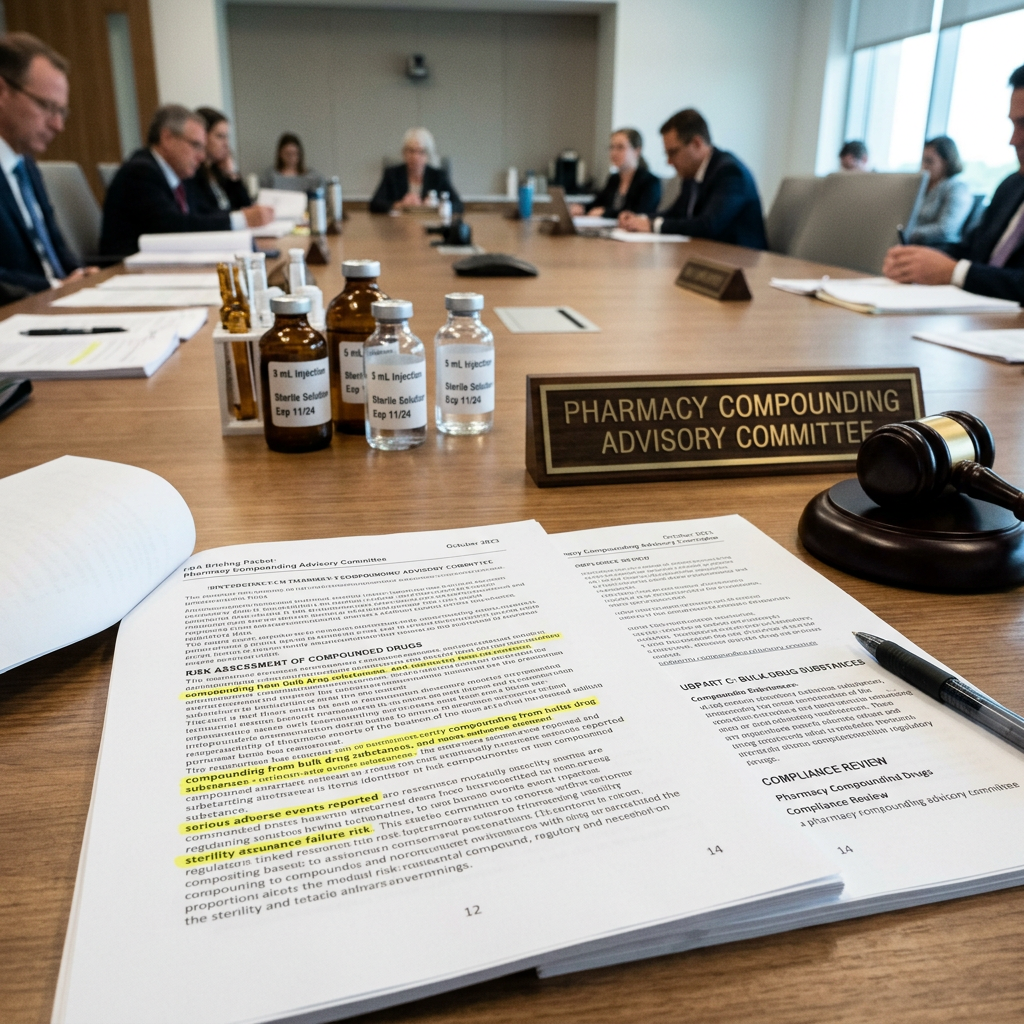
IGF-1 LR3 (Long R3 IGF-1) is a synthetic 83-amino acid analog of human IGF-1, engineered with two modifications: a 13-amino acid N-terminal extension and a glutamic acid to arginine substitution at position 3. These changes reduce IGF Binding Protein (IGFBP) affinity by approximately 1000-fold compared to native IGF-1, while maintaining full IGF-1 receptor (IGF-1R) binding. The result is dramatically prolonged in vivo activity as the peptide cannot be sequestered by circulating IGFBPs, extending its anabolic window from hours to over 24 hours.
Mechanism of Action
IGF-1 LR3 binds IGF-1R on target cells (muscle, bone, liver) and activates the PI3K/Akt/mTORC1 signaling cascade, driving protein synthesis, cell proliferation, and anti-apoptotic signaling. In myoblasts, it sustains pAkt(Ser473) elevation 2.2-2.8× above baseline for 48-56 hours versus 24-30 hours for native IGF-1. mTORC1 activity remains elevated at 48 hours (1.8-2.4×), supporting sustained translational upregulation. It also suppresses MuRF-1 and MAFbx/Atrogin-1 atrophy E3 ligases by 34-42% via Akt-dependent FoxO1/FoxO3a nuclear exclusion.
Potential Benefits
- Sustained anabolic signaling lasting >24 hours per dose
- Significant lean muscle mass gains
- Anti-atrophy protection in denervation, immobilization, and cachexia models
- Improved muscle recovery from injury
- Enhanced satellite cell maintenance (28-34% more Pax7+ cells)
- Increased grip strength and functional performance in animal models
- Enhanced VEGF signaling increasing capillary density in muscle
Dosage Protocols
The following reflects doses used in published research studies. This is not medical advice. Consult a qualified healthcare professional.
| Typical Range | 40-120 mcg/day |
| Beginner | 40-50 mcg/day post-workout |
| Intermediate | 80-100 mcg/day (single or split dose) |
| Advanced | 100-150 mcg/day (experienced users with medical monitoring) |
| Cycle Duration | 4-6 weeks maximum |
| Cycle Off | 4-6 weeks minimum between cycles |
Extended half-life (20-30 hours vs 15 min for native IGF-1) allows once-daily dosing. Best dosed immediately post-workout. Hypoglycemia risk — always have fast-acting carbohydrates available. Mandatory cycle breaks for IGF-1 receptor sensitivity recovery.
Use our Reconstitution Calculator to determine exact syringe units for your protocol.
Routes of Administration
Subcutaneous Injection High — systemic distribution
Most common administration route for research peptides. Inject into abdominal fat, thigh, or upper arm. Rotate sites. standard research dose.
Intramuscular Injection High — with slightly faster onset than SC
Alternative route when deeper delivery or faster absorption is desired. Less commonly used than SC for most research peptides.
Read our full Routes of Administration Guide for detailed comparison of all delivery methods.
Stacking Protocols
Popular research stacks involving IGF-1 LR3:
Anabolic Recovery Stack
Combines IGF-1 LR3 with healing (BPC-157) and GH-axis support (CJC-1295 + Ipamorelin) for comprehensive muscle growth and recovery.
Explore our complete Peptide Stacking Guide for more combinations and safety considerations.
Reconstitution
| Typical Vial Size | 1mg, 2mg |
|---|---|
| BAC Water | 1-2ml per 1mg vial; use 0.6% acetic acid if recommended for stability |
| Storage | Refrigerate at 2-8°C after reconstitution; highly sensitive to temperature |
| Shelf Life | 14-21 days refrigerated; acetic acid diluent may extend to 28 days |
Need exact syringe measurements?
Amino Acid Sequence
13-aa N-terminal extension + modified IGF-1 sequence with Arg at position 3 (83 total amino acids)
Side Effects & Safety
- Hypoglycemia (potent glucose uptake effect)
- Potential tumor growth promotion (IGF-1R is a mitogenic receptor)
- Acromegaly-like symptoms at high doses
- Joint pain and fluid retention
- Theoretical cancer risk with long-term use
Safety & Contraindications
This information is for educational purposes only. Consult a qualified healthcare provider before using any peptide.
Active Malignancy
Pregnancy / Lactation
Bleeding Disorders
Active Skin Infection at Injection Site
Pharmacokinetics
| Half-Life | ~20-30 hours (vs ~10-12 min for native IGF-1) |
|---|---|
| Storage | Store lyophilized peptide at -20°C (long-term) or 2-8°C (short-term, under 30 days). Reconstituted: refrigerate at 2-8°C and use within 28-30 days. Protect from light. Do not freeze reconstituted solution. |
Synergistic Compounds
The following compounds have been studied alongside IGF-1 LR3 for potential complementary or synergistic effects:
Learn More
References & Further Reading
Latest News & Research
View all articles →
FDA Staff Reviewers Say ‘No’ to 7 Compounded Peptides Ahead of July PCAC Vote
FDA staff reviewers urged against adding seven popular peptides to the 503A bulks list ahead of the July PCAC meeting, citing weak human data and safety uncertainty.

FDA reviewers urge ‘no’ on BPC-157, TB-500, MOTS-c ahead of July 2026 compounding vote
FDA reviewers’ June 29 briefings recommend against listing seven popular peptides for 503A compounding, citing limited human data and immunogenicity risk.

Medicare Starts Paying for Obesity Drugs Today — Bridge Program Opens $50 Access for Millions
Medicare's new $50 Bridge program covering Wegovy, Zepbound, Foundayo, and oral Wegovy for obesity launched July 1 — the first Medicare weight-loss benefit.
FDA staff urges caution on compounded peptides ahead of July advisory meeting
Ahead of the July 23–24 Pharmacy Compounding Advisory Committee meeting, FDA staff briefings recommend against listing seven popular peptides for compounding.