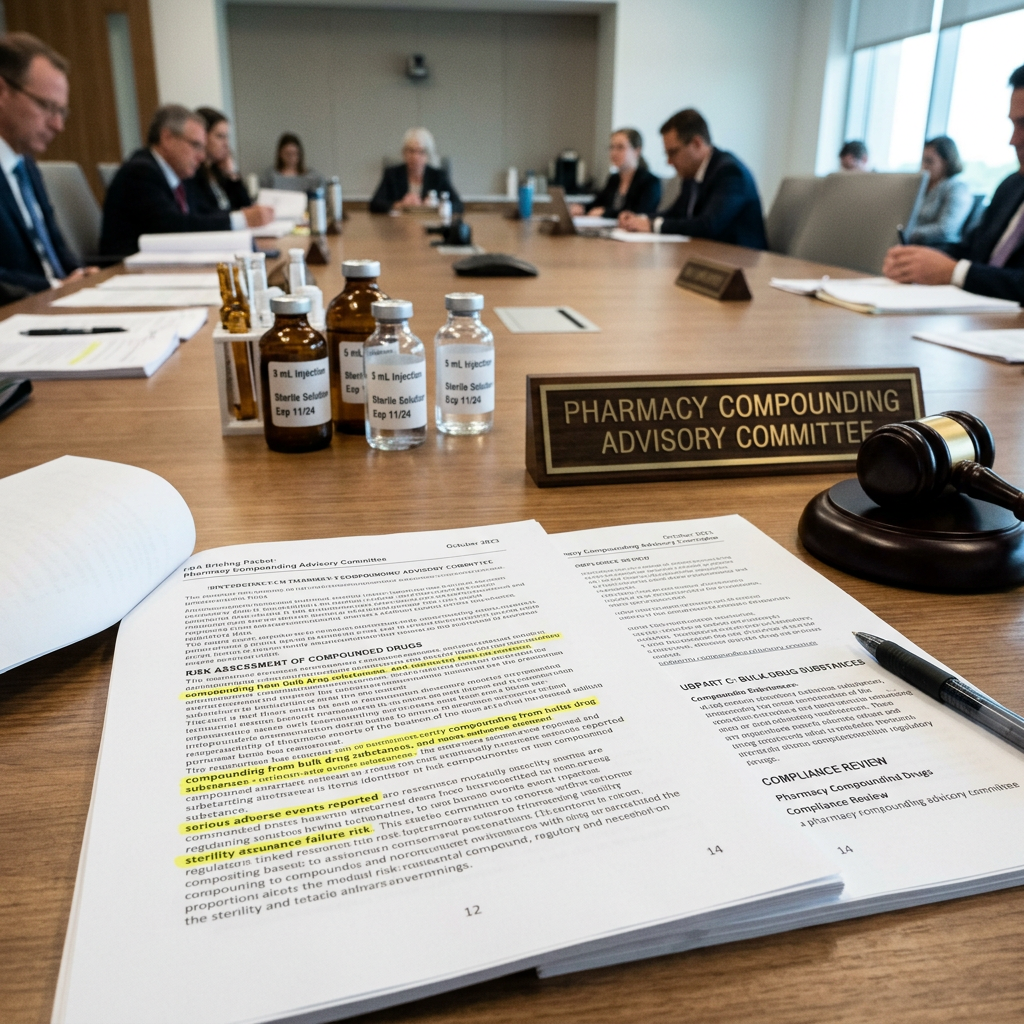
Kisspeptin-10
Also known as: KP-10, Metastin 45-54, KISS1 45-54 amide
Overview
Kisspeptin-10 (KP-10) is the shortest biologically active form of kisspeptin, corresponding to the last 10 amino acids of the KISS1 gene product. While less potent than KP-54 for LH secretion, it is useful for research and reproductive interventions. Emerging research suggests kisspeptin peptides including KP-10 may have applications in sexual dysfunction beyond fertility — it activates the same GnRH-LH axis that mediates sexual arousal, and research is exploring its potential as a treatment for hypoactive sexual desire and psychosexual dysfunction.
Mechanism of Action
KP-10 binds KISS1R (GPR54) on hypothalamic GnRH neurons, activating Gq/11-coupled phospholipase C signaling to drive pulsatile GnRH release. This triggers LH and FSH secretion from the pituitary, driving gonadal steroid production. Studies also suggest direct effects on limbic regions involved in sexual desire, potentially explaining its role in psychosexual function beyond reproductive hormone effects.
Potential Benefits
- Stimulation of pulsatile LH and FSH secretion
- Potential fertility restoration in hypogonadotropic hypogonadism
- Emerging evidence for sexual desire enhancement
- Shorter half-life than KP-54 allowing precise research protocols
- Activates reproductive axis acutely for clinical testing
Dosage Protocols
The following reflects doses used in published research studies. This is not medical advice. Consult a qualified healthcare professional.
| Beginner | 1 mcg/kg subcutaneous — assess HPG axis response |
| Intermediate | 5 mcg/kg subcutaneous — therapeutic LH stimulation |
| Advanced | 6.4 nmol/kg IV bolus — clinical IVF egg maturation trigger |
| Cycle Duration | Single administration (IVF trigger) or 1–2 weeks (research) |
Kisspeptin-10 is primarily used in clinical/research settings for fertility assessment and IVF protocols. It triggers LH release within minutes. Not typically used in ongoing daily protocols.
Use our Reconstitution Calculator to determine exact syringe units for your protocol.
Routes of Administration
Subcutaneous Injection High — rapid HPG axis activation
Used in clinical research for fertility protocols. Typical single dose 6.4 nmol/kg for IVF egg maturation trigger.
Intravenous Injection Highest — immediate LH release
Clinical research method. Produces rapid, dose-dependent LH pulse for diagnostic or therapeutic use.
Read our full Routes of Administration Guide for detailed comparison of all delivery methods.
Stacking Protocols
Popular research stacks involving Kisspeptin-10:
Fertility Support Stack
Reproductive axis stimulation with systemic healing support. Kisspeptin-10 triggers LH/FSH release for fertility while BPC-157 supports overall tissue health and hormone balance.
Explore our complete Peptide Stacking Guide for more combinations and safety considerations.
Reconstitution
| Storage | Refrigerate at 2-8°C after reconstitution. Do not freeze reconstituted solution. |
|---|
Typical vial sizes: 5 mg. Add bac water slowly down the side of the vial, swirl gently — do not shake. Use insulin syringe for precise dosing.
Need exact syringe measurements?
Amino Acid Sequence
Tyr-Asn-Trp-Asn-Ser-Phe-Gly-Leu-Arg-Phe-NH2
Side Effects & Safety
- Generally well-tolerated in clinical studies
- Hot flashes at higher doses
- Nausea at high doses
- Transient LH surge effects
Safety & Contraindications
This information is for educational purposes only. Consult a qualified healthcare provider before using any peptide.
Hormone-Sensitive Cancers
Pregnancy / Lactation
Bleeding Disorders
Active Skin Infection at Injection Site
FDA Safety Information
FDA Category 2 concerns: immunogenicity, limited safety data.
Pharmacokinetics
| Half-Life | ~3-4 minutes (plasma) |
|---|---|
| Storage | Store lyophilized peptide at -20°C (long-term) or 2-8°C (short-term, under 30 days). Reconstituted: refrigerate at 2-8°C and use within 28-30 days. Protect from light. Do not freeze reconstituted solution. |
Synergistic Compounds
The following compounds have been studied alongside Kisspeptin-10 for potential complementary or synergistic effects:
Learn More
References & Further Reading
Latest News & Research
View all articles →
FDA Staff Reviewers Say ‘No’ to 7 Compounded Peptides Ahead of July PCAC Vote
FDA staff reviewers urged against adding seven popular peptides to the 503A bulks list ahead of the July PCAC meeting, citing weak human data and safety uncertainty.

FDA reviewers urge ‘no’ on BPC-157, TB-500, MOTS-c ahead of July 2026 compounding vote
FDA reviewers’ June 29 briefings recommend against listing seven popular peptides for 503A compounding, citing limited human data and immunogenicity risk.

Medicare Starts Paying for Obesity Drugs Today — Bridge Program Opens $50 Access for Millions
Medicare's new $50 Bridge program covering Wegovy, Zepbound, Foundayo, and oral Wegovy for obesity launched July 1 — the first Medicare weight-loss benefit.
FDA staff urges caution on compounded peptides ahead of July advisory meeting
Ahead of the July 23–24 Pharmacy Compounding Advisory Committee meeting, FDA staff briefings recommend against listing seven popular peptides for compounding.