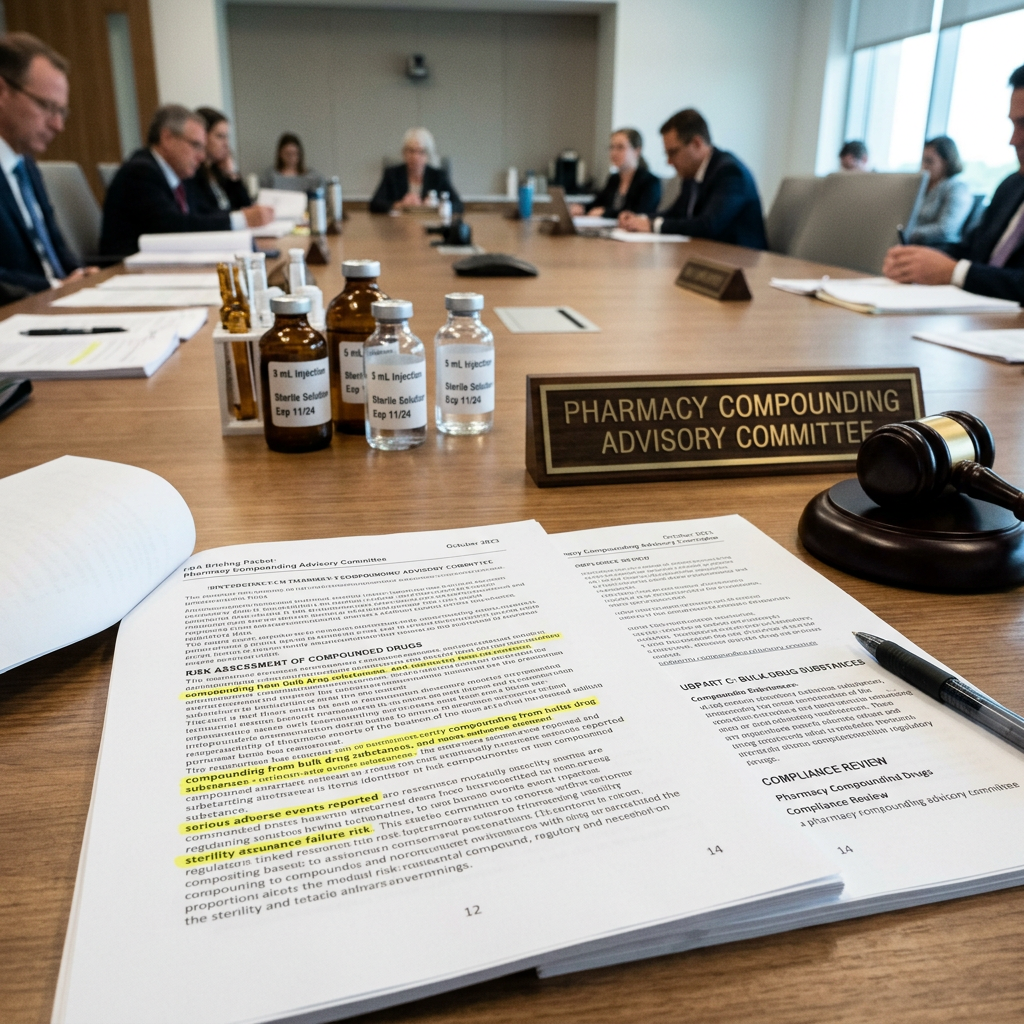
DSIP
Also known as: Delta Sleep-Inducing Peptide, Delta Sleep Peptide
Overview
Delta Sleep-Inducing Peptide (DSIP) is a natural nonapeptide originally isolated from rabbit cerebrospinal fluid in 1977. It was initially characterized for its ability to induce delta (slow-wave) sleep when infused into the thalamic nuclei. Beyond sleep regulation, DSIP has been found to influence the hypothalamic-pituitary axis, exhibit antioxidant and mitochondrial protective effects, reduce stress-induced responses by inhibiting the HPA axis, and potentially modulate pain perception.
Mechanism of Action
DSIP inhibits the HPA axis during chronic stress, reducing cortisol and ACTH responses. In brain mitochondria, DSIP at concentrations of 10^-5 to 10^-8 M significantly elevates phosphorylated respiration rate (10-20%), increases ADP phosphorylation efficiency (10-30%), and inhibits lipid peroxidation. It modulates mitochondrial enzymes including MAO-A, hexokinase, creatine kinase, and malate dehydrogenase. It also influences hypothalamic somatostatin release and pulsatile GH secretion.
Potential Benefits
- Delta (deep) sleep induction and sleep quality improvement
- HPA axis inhibition reducing chronic stress responses
- Mitochondrial energy metabolism enhancement
- Antioxidant activity inhibiting lipid peroxidation
- Potential pain modulation via opioidergic pathways
- Pulsatile GH secretion normalization
- Protection against stress-induced mitochondrial dysfunction
Dosage Protocols
The following reflects doses used in published research studies. This is not medical advice. Consult a qualified healthcare professional.
| Typical Range | 100-250 mcg/day |
| Beginner | 100 mcg before sleep |
| Intermediate | 200 mcg before sleep |
| Advanced | 250-500 mcg before sleep |
| Cycle Duration | 2-4 weeks |
| Cycle Off | 2-4 weeks |
Administered 30-60 minutes before desired sleep onset. Effects may accumulate over multiple doses. DSIP is endogenously released during sleep onset; exogenous administration reinforces this signaling cascade.
Use our Reconstitution Calculator to determine exact syringe units for your protocol.
Routes of Administration
Subcutaneous Injection High — crosses blood-brain barrier
Standard method. Typical dose 100–300 mcg, administered 30–60 minutes before desired sleep time.
Intravenous Injection Highest — rapid CNS delivery
Used in clinical research. Provides most consistent sleep-inducing effects.
Intranasal Moderate — direct CNS access
Emerging route for sleep regulation. Bypasses peripheral metabolism for more direct hypothalamic action.
Read our full Routes of Administration Guide for detailed comparison of all delivery methods.
Stacking Protocols
Popular research stacks involving DSIP:
Sleep Optimization Stack
Deep sleep and circadian regulation. DSIP promotes delta wave sleep while Epitalon restores pineal melatonin production for natural circadian rhythm support.
Stress & Sleep Stack
Sleep, anxiety, and cognitive recovery. DSIP normalizes cortisol and sleep architecture, Selank provides daytime anxiolysis, Semax supports cognitive function.
Explore our complete Peptide Stacking Guide for more combinations and safety considerations.
Reconstitution
| Typical Vial Size | 2mg, 5mg |
|---|---|
| BAC Water | 1ml per 2mg vial |
| Storage | Refrigerate at 2-8°C after reconstitution |
| Shelf Life | 28 days refrigerated |
Need exact syringe measurements?
Amino Acid Sequence
Trp-Ala-Gly-Gly-Asp-Ala-Ser-Gly-Glu (WAGGDASGE)
Side Effects & Safety
- Limited human safety data
- Potential excessive sedation
- Possible disruption of normal sleep architecture at high doses
- Injection site reactions
Safety & Contraindications
This information is for educational purposes only. Consult a qualified healthcare provider before using any peptide.
Pregnancy / Lactation
Bleeding Disorders
Active Skin Infection at Injection Site
Drug Interactions
- Sedatives / Benzodiazepines:
FDA Safety Information
FDA Category 2 concerns (listed as Emideltide): immunogenicity, no safety data for proposed routes.
Pharmacokinetics
| Half-Life | ~7 minutes (plasma); sleep effects persist hours |
|---|---|
| Storage | Store lyophilized peptide at -20°C (long-term) or 2-8°C (short-term, under 30 days). Reconstituted: refrigerate at 2-8°C and use within 28-30 days. Protect from light. Do not freeze reconstituted solution. |
Synergistic Compounds
The following compounds have been studied alongside DSIP for potential complementary or synergistic effects:
Learn More
References & Further Reading
Latest News & Research
View all articles →
FDA Staff Reviewers Say ‘No’ to 7 Compounded Peptides Ahead of July PCAC Vote
FDA staff reviewers urged against adding seven popular peptides to the 503A bulks list ahead of the July PCAC meeting, citing weak human data and safety uncertainty.

FDA reviewers urge ‘no’ on BPC-157, TB-500, MOTS-c ahead of July 2026 compounding vote
FDA reviewers’ June 29 briefings recommend against listing seven popular peptides for 503A compounding, citing limited human data and immunogenicity risk.

Medicare Starts Paying for Obesity Drugs Today — Bridge Program Opens $50 Access for Millions
Medicare's new $50 Bridge program covering Wegovy, Zepbound, Foundayo, and oral Wegovy for obesity launched July 1 — the first Medicare weight-loss benefit.
FDA staff urges caution on compounded peptides ahead of July advisory meeting
Ahead of the July 23–24 Pharmacy Compounding Advisory Committee meeting, FDA staff briefings recommend against listing seven popular peptides for compounding.