BRP (BRINP2-Related Peptide)
Also known as: BRINP2-Related Peptide, BRP, THRILRRLFNLC
Overview
BRP (BRINP2-Related Peptide) is a naturally occurring 12-amino acid peptide discovered in 2025 by Stanford researchers led by Dr. Katrin Svensson using an AI algorithm called 'Peptide Predictor' that scanned more than 2,600 previously uncharacterized proteolytic fragments generated by prohormone convertase 1/3 (PCSK1). The peptide is cleaved from the parent protein BRINP2 (BMP/retinoic acid-inducible neural-specific protein 2) and is endogenously present in human plasma and cerebrospinal fluid. Published in Nature (March 5, 2025, doi: 10.1038/s41586-025-08683-y), BRP reduces food intake by up to 50% within an hour and drives fat-specific weight loss in obese mice without nausea, muscle loss, or digestive effects. Its mechanism is entirely distinct from GLP-1/semaglutide pathways, acting centrally in the hypothalamus via POMC neurons and cAMP-PKA-CREB-FOS signaling. Merrifield Therapeutics is advancing BRP toward clinical trials.
Mechanism of Action
BRP activates pro-opiomelanocortin (POMC) neurons in the hypothalamus via cAMP-PKA-CREB-FOS signaling, independent of GLP-1, leptin, and MC4R pathways. Its hypothalamic-centric mechanism directly suppresses appetite without affecting peripheral organ systems, eliminating the nausea, constipation, and muscle loss associated with GLP-1 agonists. The peptide requires C-terminal amidation and an intact leucine at position 8 for activity.
Potential Benefits
- Up to 50% reduction in food intake within 1 hour (mice and minipigs)
- Fat-specific weight loss: obese mice lost 3g fat over 14 days vs. controls gaining 3g
- Preserved lean muscle mass — no muscle loss observed
- Improved glucose tolerance and insulin sensitivity
- Reduction in liver fat and white adipose tissue weight
- No nausea, constipation, or GI motility changes
- No effects on anxiety, locomotion, or water intake
- Detectable in human cerebrospinal fluid and plasma — endogenous human peptide
- 10x more potent than GLP-1 in hypothalamic neuronal activation assays
- Acts through novel hypothalamic pathway — potentially additive with GLP-1 drugs
Research Dosage Notes
The following reflects doses used in published research studies. This is not medical advice.
Consult published research literature for study-specific protocols.
Routes of Administration
Intraperitoneal Injection High (direct delivery in preclinical studies)
Used in mouse studies at 5–20 mg/kg; rapid Tmax <1 min
Intramuscular Injection High
Used in minipig studies; reduced food intake 50% within 1 hour
Subcutaneous Injection (anticipated for clinical use) TBD
Expected route for clinical development; half-life extension modifications under investigation
Read our full Routes of Administration Guide for detailed comparison of all delivery methods.
Stacking Protocols
Popular research stacks involving BRP (BRINP2-Related Peptide):
Metabolic Health Stack
Combines BRP (BRINP2-Related Peptide) with MOTS-c (mitochondrial metabolism) and AOD-9604 (lipolysis) for metabolic optimization.
Explore our complete Peptide Stacking Guide for more combinations and safety considerations.
Reconstitution
| Storage | Refrigerate at 2-8°C after reconstitution. Do not freeze reconstituted solution. |
|---|
Typical vial sizes: 5 mg. Add bac water slowly down the side of the vial, swirl gently — do not shake. Use insulin syringe for precise dosing.
Need exact syringe measurements?
Amino Acid Sequence
THRILRRLFNLC (C-terminal amidated; amidation required for activity)
Side Effects & Safety
- No adverse effects detected in animal models at therapeutic doses
- No nausea, constipation, or GI motility changes
- No changes in locomotion, anxiety-like behavior, or water intake
- No impact on lean body mass
- Long-term human safety data not yet available (pre-clinical stage)
- Immunogenicity potential unknown in humans
Safety & Contraindications
This information is for educational purposes only. Consult a qualified healthcare provider before using any peptide.
Pre-Clinical Only
BRP has only been tested in animal models. No human safety data exists. Not available for clinical or research use outside laboratory settings.
Pregnancy & Lactation
Not studied in pregnant or lactating subjects. Avoid use.
Hypothalamic Disorders
BRP acts on hypothalamic neurons. Individuals with hypothalamic damage, tumors, or dysfunction should avoid use pending further research.
Pharmacokinetics
| Half-Life | Rapid plasma clearance (Tmax <1 min after IP injection in mice); long-duration half-life modification strategies under investigation for clinical use |
|---|---|
| Storage | Lyophilized powder: -20°C; reconstituted solution: use immediately or store at 4°C for up to 24 hours; protect from light |
Synergistic Compounds
The following compounds have been studied alongside BRP (BRINP2-Related Peptide) for potential complementary or synergistic effects:
Learn More
References & Further Reading
- Prohormone cleavage prediction uncovers a non-incretin anti-obesity peptide
- PubMed: Prohormone cleavage prediction uncovers a non-incretin anti-obesity peptide
- Stanford Medicine News: Naturally occurring molecule rivals Ozempic in weight loss
- OR35-08 Prohormone cleavage prediction — Endocrine Society 2025
- ScienceDaily: Stanford scientists discover 'natural Ozempic' without side effects
- Brinp2-derived peptide compositions for treating obesity — Patent AU2023316958A1
Latest News & Research
View all articles →
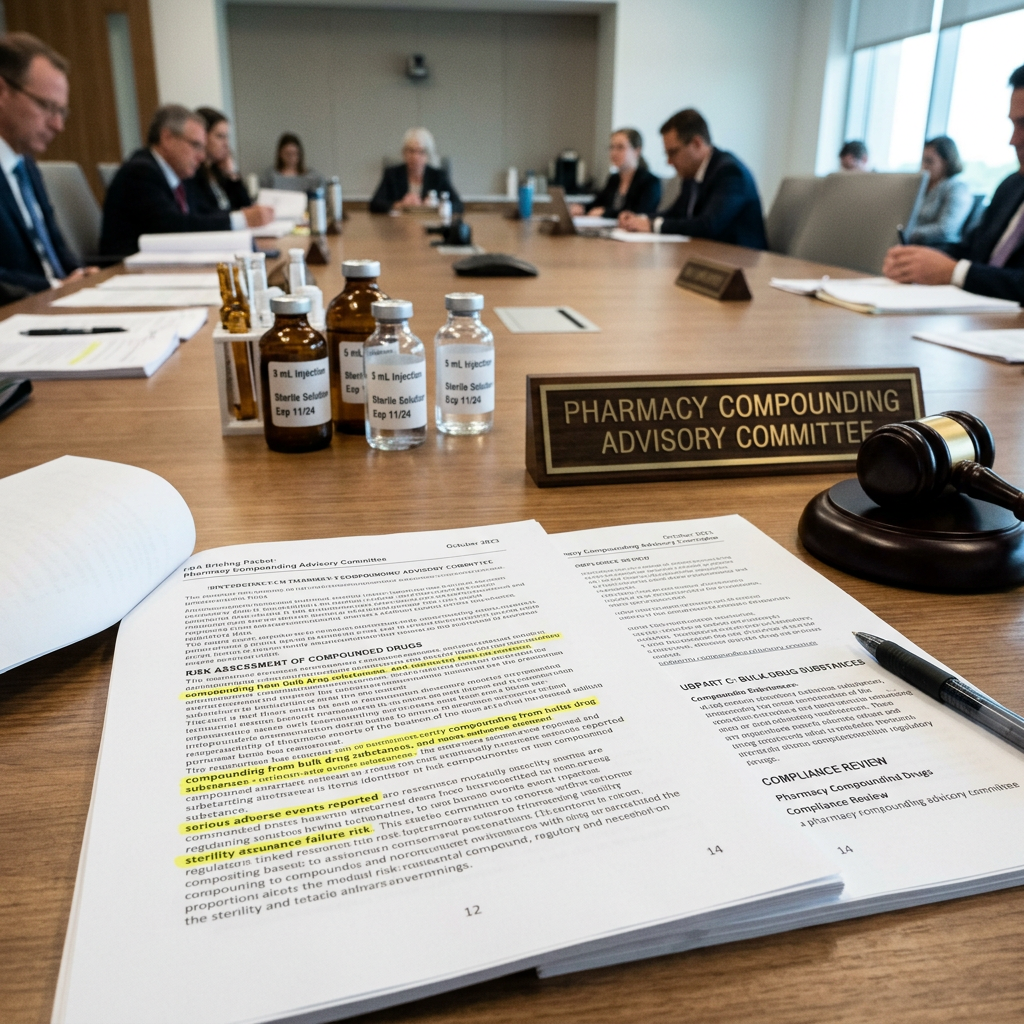
FDA Staff Reviewers Say ‘No’ to 7 Compounded Peptides Ahead of July PCAC Vote
FDA staff reviewers urged against adding seven popular peptides to the 503A bulks list ahead of the July PCAC meeting, citing weak human data and safety uncertainty.

FDA reviewers urge ‘no’ on BPC-157, TB-500, MOTS-c ahead of July 2026 compounding vote
FDA reviewers’ June 29 briefings recommend against listing seven popular peptides for 503A compounding, citing limited human data and immunogenicity risk.

Medicare Starts Paying for Obesity Drugs Today — Bridge Program Opens $50 Access for Millions
Medicare's new $50 Bridge program covering Wegovy, Zepbound, Foundayo, and oral Wegovy for obesity launched July 1 — the first Medicare weight-loss benefit.

FDA staff urges caution on compounded peptides ahead of July advisory meeting
Ahead of the July 23–24 Pharmacy Compounding Advisory Committee meeting, FDA staff briefings recommend against listing seven popular peptides for compounding.