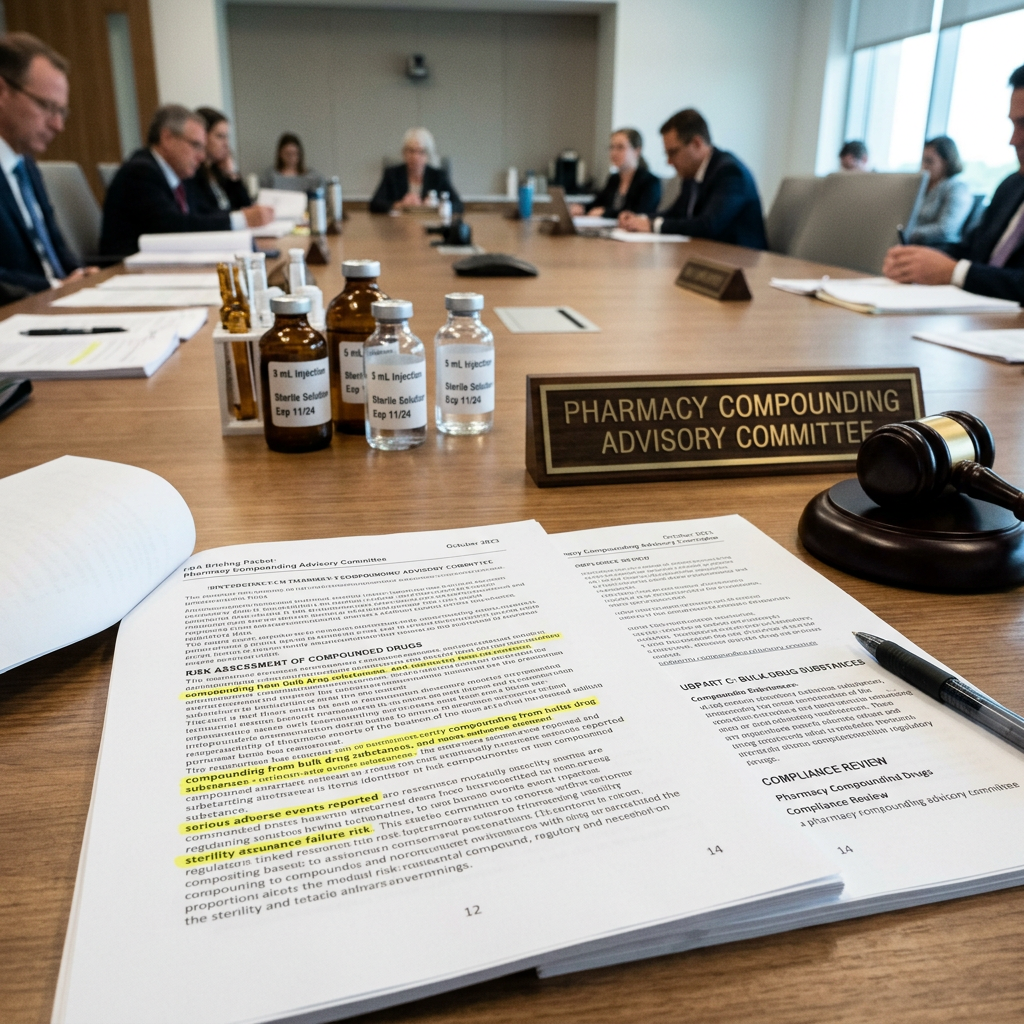
Fragment 176-191
Also known as: GH Fragment 176-191, HGH Frag 176-191, AOD-9401
Overview
Fragment 176-191 refers to the unmodified C-terminal peptide fragment of human growth hormone spanning amino acids 176-191. It is the precursor compound from which AOD-9604 was developed via a stabilizing tyrosine modification. Research suggests antilipogenic activity primarily through inhibition of fat formation rather than direct lipolysis stimulation, representing a slightly different activity profile than AOD-9604.
Mechanism of Action
Similar to AOD-9604 but without the tyrosine modification. In vitro rat adipose tissue studies demonstrate antilipogenic activity—reduction in fat storage enzyme activity—with less direct lipolytic activity than the full GH molecule or AOD-9604. Mechanistically interacts with beta-adrenergic pathways in adipose tissue and does not activate GH receptors or stimulate IGF-1.
Potential Benefits
- Antilipogenic properties in preclinical adipose models
- No growth-promoting or IGF-1 stimulating effects
- Potential body composition improvement
- Selective targeting of fat metabolism without systemic GH effects
Dosage Protocols
The following reflects doses used in published research studies. This is not medical advice. Consult a qualified healthcare professional.
| Beginner | 250 mcg once daily, AM fasted |
| Intermediate | 250-500 mcg 2x daily |
| Advanced | 500 mcg 3x daily |
| Cycle Duration | 8-12 weeks |
Best results on empty stomach. Does not stimulate GH — acts directly on lipolysis. No effect on IGF-1.
Use our Reconstitution Calculator to determine exact syringe units for your protocol.
Routes of Administration
Subcutaneous Injection High — standard route
Inject into abdominal fat for theoretical localized lipolysis.
Read our full Routes of Administration Guide for detailed comparison of all delivery methods.
Stacking Protocols
Popular research stacks involving Fragment 176-191:
Fat Loss Stack
Fragment for direct lipolysis + GHRH/GHRP combo for broader GH effects. Fragment 500 mcg AM fasted, CJC/Ipa 100 mcg each pre-bed.
Explore our complete Peptide Stacking Guide for more combinations and safety considerations.
Reconstitution
| Storage | Refrigerate at 2-8°C after reconstitution. Do not freeze reconstituted solution. |
|---|
Typical vial sizes: 2 mg, 5 mg. Add bac water slowly down the side of the vial, swirl gently — do not shake. Use insulin syringe for precise dosing.
Need exact syringe measurements?
Amino Acid Sequence
Leu-Arg-Ile-Val-Gln-Cys-Arg-Ser-Val-Glu-Gly-Ser-Cys-Gly-Phe
Side Effects & Safety
- Limited human safety data
- Injection site reactions
- Theoretical endocrine effects
Safety & Contraindications
This information is for educational purposes only. Consult a qualified healthcare provider before using any peptide.
Active Malignancy
Pregnancy / Lactation
Bleeding Disorders
Active Skin Infection at Injection Site
Pharmacokinetics
| Half-Life | ~30 minutes |
|---|---|
| Storage | Store lyophilized peptide at -20°C (long-term) or 2-8°C (short-term, under 30 days). Reconstituted: refrigerate at 2-8°C and use within 28-30 days. Protect from light. Do not freeze reconstituted solution. |
Synergistic Compounds
The following compounds have been studied alongside Fragment 176-191 for potential complementary or synergistic effects:
Learn More
References & Further Reading
Latest News & Research
View all articles →
FDA Staff Reviewers Say ‘No’ to 7 Compounded Peptides Ahead of July PCAC Vote
FDA staff reviewers urged against adding seven popular peptides to the 503A bulks list ahead of the July PCAC meeting, citing weak human data and safety uncertainty.

FDA reviewers urge ‘no’ on BPC-157, TB-500, MOTS-c ahead of July 2026 compounding vote
FDA reviewers’ June 29 briefings recommend against listing seven popular peptides for 503A compounding, citing limited human data and immunogenicity risk.

Medicare Starts Paying for Obesity Drugs Today — Bridge Program Opens $50 Access for Millions
Medicare's new $50 Bridge program covering Wegovy, Zepbound, Foundayo, and oral Wegovy for obesity launched July 1 — the first Medicare weight-loss benefit.
FDA staff urges caution on compounded peptides ahead of July advisory meeting
Ahead of the July 23–24 Pharmacy Compounding Advisory Committee meeting, FDA staff briefings recommend against listing seven popular peptides for compounding.