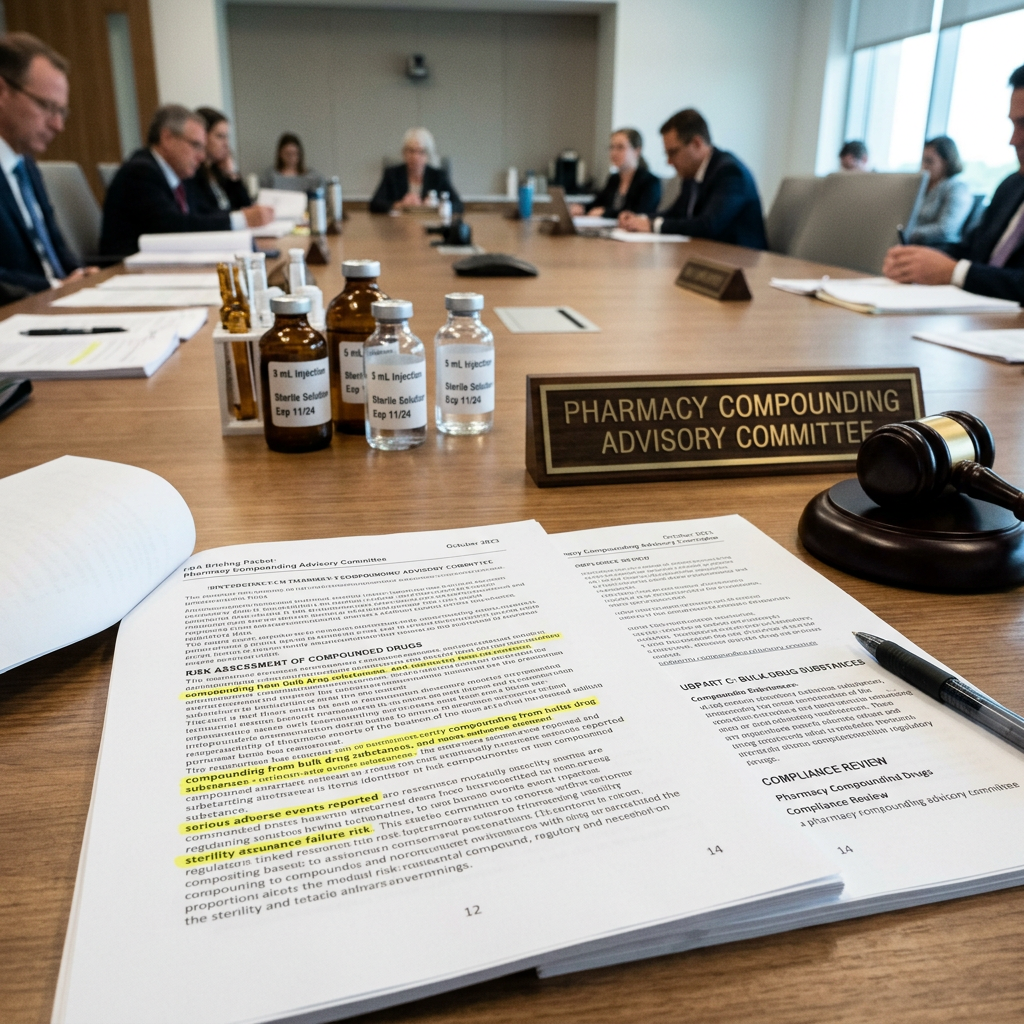
Thyroid-Stimulating Hormone (TSH) Peptides
Also known as: TSH analogs, Thyrotropin peptides, TSH receptor peptides
Overview
Thyroid-stimulating hormone (TSH/thyrotropin) is a 92 kDa glycoprotein pituitary hormone, but specific peptide fragments derived from its sequences have been studied as research tools and potential therapeutics. TSH receptor (TSHR) activating peptides have been investigated in models of thyroid function restoration and ophthalmopathy associated with Graves' disease. Additionally, TSH peptide fragments have been explored in immunology as tools to understand TSHR autoimmunity. This entry focuses on the concept of TSH-derived peptide research rather than native TSH itself.
Mechanism of Action
Specific peptide sequences from the TSH alpha or beta subunits can interact with TSHR or with autoantibodies (TRAbs) that drive Graves' disease. TSHR is a Gs-coupled GPCR activating adenylyl cyclase and cAMP-mediated thyroid hormone synthesis and secretion. Research has focused on identifying TSHR agonist peptides that could restore thyroid function without the immunogenic burden of recombinant protein TSH, and on TSHR antagonist peptides for Graves' disease management.
Potential Benefits
- Research tools for understanding TSHR autoimmunity in Graves' disease
- Potential TSHR-modulating peptide drugs avoiding full protein administration
- Insights into TSH receptor structure-function relationships
Dosage Protocols
The following reflects doses used in published research studies. This is not medical advice. Consult a qualified healthcare professional.
| Beginner | Clinical use only |
| Intermediate | N/A |
| Advanced | N/A |
| Cycle Duration | 2-day diagnostic/therapeutic course |
Thyrogen (thyrotropin alfa) FDA-approved for thyroid cancer monitoring and remnant ablation.
Use our Reconstitution Calculator to determine exact syringe units for your protocol.
Routes of Administration
Intramuscular Injection High
Standard Thyrogen administration — gluteal IM.
Read our full Routes of Administration Guide for detailed comparison of all delivery methods.
Stacking Protocols
Popular research stacks involving Thyroid-Stimulating Hormone (TSH) Peptides:
Thyroid Cancer Follow-Up Protocol
Thyrogen-stimulated I-131 ablation or Tg monitoring for differentiated thyroid cancer — avoids thyroid hormone withdrawal.
Explore our complete Peptide Stacking Guide for more combinations and safety considerations.
Reconstitution
| Storage | Refrigerate 2-8°C. After reconstitution, use within 24 hours (refrigerated). |
|---|
Clinical kit with supplied diluent.
Need exact syringe measurements?
Amino Acid Sequence
Various fragments of TSH alpha/beta chains under study
Side Effects & Safety
- Research context; systemic effects not established for fragments
Safety & Contraindications
This information is for educational purposes only. Consult a qualified healthcare provider before using any peptide.
Pregnancy / Lactation
Bleeding Disorders
Active Skin Infection at Injection Site
Pharmacokinetics
| Half-Life | ~25 hours (IM) |
|---|---|
| Storage | Refrigerate lyophilized product at 2-8°C. Protect from light. |
Synergistic Compounds
The following compounds have been studied alongside Thyroid-Stimulating Hormone (TSH) Peptides for potential complementary or synergistic effects:
Learn More
References & Further Reading
Latest News & Research
View all articles →
FDA Staff Reviewers Say ‘No’ to 7 Compounded Peptides Ahead of July PCAC Vote
FDA staff reviewers urged against adding seven popular peptides to the 503A bulks list ahead of the July PCAC meeting, citing weak human data and safety uncertainty.

FDA reviewers urge ‘no’ on BPC-157, TB-500, MOTS-c ahead of July 2026 compounding vote
FDA reviewers’ June 29 briefings recommend against listing seven popular peptides for 503A compounding, citing limited human data and immunogenicity risk.

Medicare Starts Paying for Obesity Drugs Today — Bridge Program Opens $50 Access for Millions
Medicare's new $50 Bridge program covering Wegovy, Zepbound, Foundayo, and oral Wegovy for obesity launched July 1 — the first Medicare weight-loss benefit.
FDA staff urges caution on compounded peptides ahead of July advisory meeting
Ahead of the July 23–24 Pharmacy Compounding Advisory Committee meeting, FDA staff briefings recommend against listing seven popular peptides for compounding.