Overview
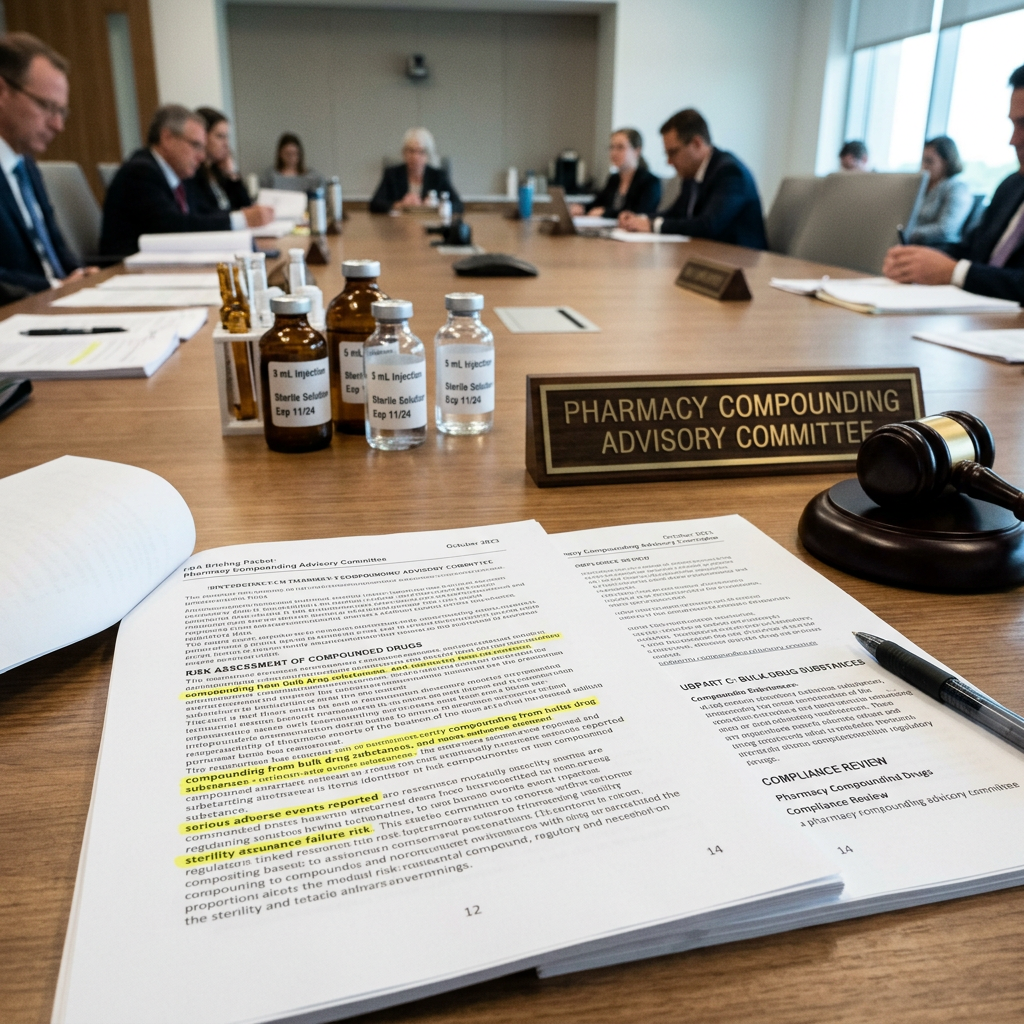
Nisin is a 34-amino acid polycyclic antimicrobial lantibiotic peptide produced by Lactococcus lactis that has been used as a food preservative for over six decades (FDA GRAS status since 1988). It is highly effective against gram-positive bacteria including antibiotic-resistant strains such as MRSA, VRE, and Clostridioides difficile. Unlike conventional antibiotics, resistance to nisin develops very slowly due to its dual mechanism combining membrane pore formation with inhibition of cell wall biosynthesis.
Mechanism of Action
Nisin exerts antimicrobial activity through a unique dual mechanism. First, it binds with high affinity to Lipid II, the essential precursor molecule for bacterial cell wall peptidoglycan biosynthesis, sequesters it, and prevents it from being incorporated into the growing cell wall. Second, the nisin-Lipid II complex facilitates formation of membrane pores by recruiting additional nisin molecules, causing rapid membrane disruption and cell death. This synergistic dual action makes resistance development extremely rare compared to single-target antibiotics.
Potential Benefits
- Potent activity against gram-positive pathogens including MRSA and VRE
- Activity against Clostridioides difficile
- Dual mechanism minimizes resistance development
- GRAS status with extensive food safety record
- Potential clinical antibiotic for drug-resistant infections
- Antibiofilm activity
Dosage Protocols
The following reflects doses used in published research studies. This is not medical advice. Consult a qualified healthcare professional.
| Beginner | Not a therapeutic peptide — food preservative E234 |
| Intermediate | N/A |
| Advanced | N/A |
| Cycle Duration | N/A |
Lantibiotic from Lactococcus lactis. FDA GRAS as food preservative. Research for clinical antimicrobial use ongoing.
Use our Reconstitution Calculator to determine exact syringe units for your protocol.
Routes of Administration
Oral (food additive) Low — degraded in GI tract
Used as food preservative, not systemic antimicrobial.
Topical (research) Local
Research formulations for oral health and wound care.
Read our full Routes of Administration Guide for detailed comparison of all delivery methods.
Stacking Protocols
Popular research stacks involving Nisin:
Food Science Context
Nisin is a food-grade antimicrobial, not a therapeutic peptide. Stacking not applicable.
Explore our complete Peptide Stacking Guide for more combinations and safety considerations.
Reconstitution
| Storage | Store capsules/tablets at room temperature in a dry, dark place. Liquid formulations refrigerated. |
|---|
Oral peptide — no reconstitution required. Follow product label for storage specifics.
Need exact syringe measurements?
Amino Acid Sequence
Ile-Thr-Ser-Ile-Ser-Leu-Cys-Thr-Pro-Gly-Cys-Lys-Thr-Gly-Ala-Leu-Met-Gly-Cys-Asn-Met-Lys-Thr-Ala-Thr-Cys-His-Cys-Ser-Ile-His-Val-Ser-Lys (contains lanthionine/dehydro residues)
Side Effects & Safety
- Oral administration: minimal systemic absorption
- May alter gut microbiome composition
- Potential hypersensitivity in sensitive individuals
Safety & Contraindications
This information is for educational purposes only. Consult a qualified healthcare provider before using any peptide.
Pregnancy / Lactation
Bleeding Disorders
Active Skin Infection at Injection Site
Pharmacokinetics
| Half-Life | Not well characterized for this peptide; consult primary literature |
|---|---|
| Storage | Store lyophilized peptide at -20°C (long-term) or 2-8°C (short-term, under 30 days). Reconstituted: refrigerate at 2-8°C and use within 28-30 days. Protect from light. Do not freeze reconstituted solution. |
Synergistic Compounds
The following compounds have been studied alongside Nisin for potential complementary or synergistic effects:
Learn More
References & Further Reading
Latest News & Research
View all articles →
FDA Staff Reviewers Say ‘No’ to 7 Compounded Peptides Ahead of July PCAC Vote
FDA staff reviewers urged against adding seven popular peptides to the 503A bulks list ahead of the July PCAC meeting, citing weak human data and safety uncertainty.

FDA reviewers urge ‘no’ on BPC-157, TB-500, MOTS-c ahead of July 2026 compounding vote
FDA reviewers’ June 29 briefings recommend against listing seven popular peptides for 503A compounding, citing limited human data and immunogenicity risk.

Medicare Starts Paying for Obesity Drugs Today — Bridge Program Opens $50 Access for Millions
Medicare's new $50 Bridge program covering Wegovy, Zepbound, Foundayo, and oral Wegovy for obesity launched July 1 — the first Medicare weight-loss benefit.
FDA staff urges caution on compounded peptides ahead of July advisory meeting
Ahead of the July 23–24 Pharmacy Compounding Advisory Committee meeting, FDA staff briefings recommend against listing seven popular peptides for compounding.