PTD-DBM (Hair Loss Peptide)
Also known as: CXXC5 inhibitor peptide, Protein Transduction Domain-DBM
Overview
PTD-DBM is a synthetic peptide designed to block the interaction between CXXC-type zinc finger protein 5 (CXXC5) and Dishevelled (Dvl) proteins in the Wnt/β-catenin signaling pathway. CXXC5 acts as a negative feedback regulator that suppresses Wnt signaling in hair follicles. By disrupting the CXXC5-Dvl interaction, PTD-DBM reactivates Wnt pathway signaling in dermal papilla cells, promoting hair follicle regeneration and potentially offering a novel therapeutic approach for androgenetic alopecia and other forms of hair loss.
Mechanism of Action
CXXC5 binds to the DIX domain of Dvl (Dishevelled) and recruits the Axin/GSK3β destruction complex, targeting β-catenin for proteasomal degradation and thus suppressing Wnt target gene expression in hair follicle dermal papilla cells. PTD-DBM contains a protein transduction domain (PTD) for membrane penetration and a Dvl-binding motif (DBM) that competes with CXXC5 for Dvl binding. This displacement of CXXC5 frees Dvl to propagate Wnt signaling, stabilizing β-catenin and activating hair follicle stem cell programs including Wnt target genes (AXIN2, LEF1, cyclin D1).
Potential Benefits
- Hair follicle regeneration via Wnt pathway reactivation
- Potential treatment for androgenetic alopecia
- Synergistic hair growth when combined with valproic acid in preclinical models
- Novel mechanism distinct from minoxidil/finasteride
Dosage Protocols
The following reflects doses used in published research studies. This is not medical advice. Consult a qualified healthcare professional.
| Beginner | 0.5% topical solution applied to scalp 1x daily |
| Intermediate | 1% topical or 1x weekly mesotherapy injections |
| Advanced | Combined topical daily + mesotherapy 2x weekly |
| Cycle Duration | 3-6 months minimum for visible hair effects |
CXXC5 inhibitor / β-catenin activator. Research peptide from Korean dermatology groups. Often combined with Valproic Acid (VPA) for synergy.
Use our Reconstitution Calculator to determine exact syringe units for your protocol.
Routes of Administration
Topical (scalp solution) Moderate — cell-penetrating peptide design
Apply to clean, dry scalp. Do not rinse.
Mesotherapy (intradermal scalp injection) Higher local concentration
Clinic-administered micro-injections for hair-loss research protocols.
Read our full Routes of Administration Guide for detailed comparison of all delivery methods.
Stacking Protocols
Popular research stacks involving PTD-DBM (Hair Loss Peptide):
Hair Regrowth Stack
Layered approach — PTD-DBM activates Wnt/β-catenin, GHK-Cu supports follicle matrix, Minoxidil vasodilates and extends anagen.
Explore our complete Peptide Stacking Guide for more combinations and safety considerations.
Reconstitution
| Storage | Store at room temperature, away from light and heat |
|---|
Topical/cosmetic peptide — comes pre-formulated. No reconstitution needed.
Need exact syringe measurements?
Amino Acid Sequence
PTD sequence (YGRKKRRQRRR) + DBM sequence (RRKKFHFLKIEEQE)
Side Effects & Safety
- Preclinical only; systemic effects not characterized in humans
Safety & Contraindications
This information is for educational purposes only. Consult a qualified healthcare provider before using any peptide.
Pregnancy / Lactation
Pharmacokinetics
| Half-Life | Not well characterized for this peptide; consult primary literature |
|---|---|
| Storage | Store cream/serum at room temperature away from direct sunlight and heat. Refrigeration optional to extend shelf life. |
Synergistic Compounds
The following compounds have been studied alongside PTD-DBM (Hair Loss Peptide) for potential complementary or synergistic effects:
Learn More
References & Further Reading
Latest News & Research
View all articles →
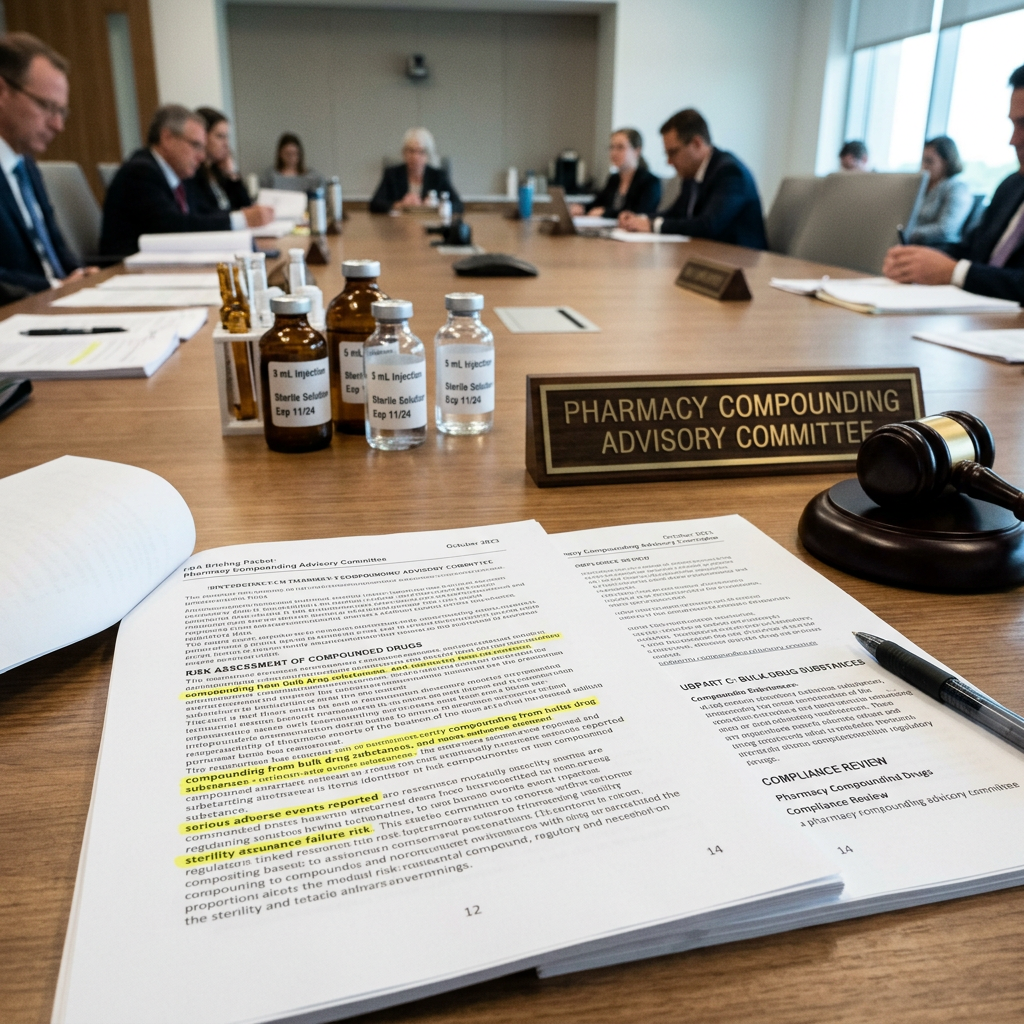
FDA Staff Reviewers Say ‘No’ to 7 Compounded Peptides Ahead of July PCAC Vote
FDA staff reviewers urged against adding seven popular peptides to the 503A bulks list ahead of the July PCAC meeting, citing weak human data and safety uncertainty.

FDA reviewers urge ‘no’ on BPC-157, TB-500, MOTS-c ahead of July 2026 compounding vote
FDA reviewers’ June 29 briefings recommend against listing seven popular peptides for 503A compounding, citing limited human data and immunogenicity risk.

Medicare Starts Paying for Obesity Drugs Today — Bridge Program Opens $50 Access for Millions
Medicare's new $50 Bridge program covering Wegovy, Zepbound, Foundayo, and oral Wegovy for obesity launched July 1 — the first Medicare weight-loss benefit.

FDA staff urges caution on compounded peptides ahead of July advisory meeting
Ahead of the July 23–24 Pharmacy Compounding Advisory Committee meeting, FDA staff briefings recommend against listing seven popular peptides for compounding.