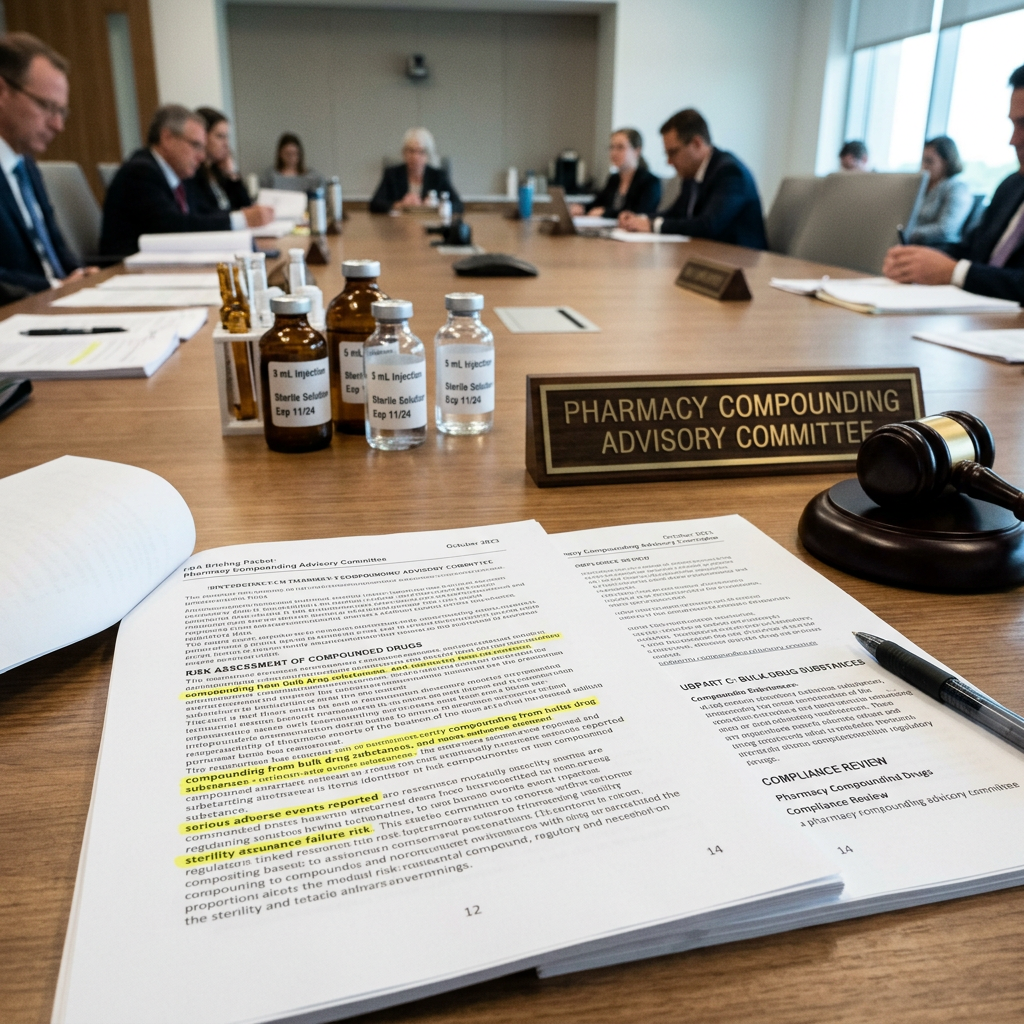
Glucagon-like peptide-1 (GLP-1)
Also known as: GLP-1, glucagon-like peptide 1, GLP-1 (7-36) amide
Overview
Glucagon-like peptide-1 (GLP-1) is an endogenous incretin peptide hormone released from enteroendocrine L-cells, best known for amplifying glucose-stimulated insulin secretion after meals. In normal physiology, GLP-1 acts as a rapid, short-lived signal that links nutrient intake to pancreatic islet function, gastrointestinal motility, and appetite regulation. The native peptide is quickly degraded in circulation by dipeptidyl peptidase-4 (DPP-4), which is why therapeutic GLP-1 receptor agonists (e.g., semaglutide) are engineered for prolonged activity. On PeptideKnow, GLP-1 matters for two reasons. First, it is the biological template for modern obesity and type 2 diabetes drugs. Second, the popularity of GLP-1 receptor agonists has created a complex supply chain for peptide (and peptide-like) active ingredients, including bulk drug substances that are sometimes diverted into unapproved or counterfeit channels. When regulators refer to “GLP-1 receptor agonist bulk drug substances,” they are talking about the upstream materials used to manufacture finished products or compounded preparations—not a consumer product you should ever handle directly.
Mechanism of Action
GLP-1 binds the GLP-1 receptor (GLP-1R), a class B1 G-protein–coupled receptor that primarily signals through Gαs to increase intracellular cAMP. In pancreatic β-cells, this signaling potentiates glucose-dependent insulin secretion; GLP-1 also suppresses glucagon release, slows gastric emptying, and reduces appetite via central and peripheral pathways.
Potential Benefits
- Physiologic incretin signal that enhances glucose-stimulated insulin secretion
- Supports postprandial glucose control via insulin/glucagon modulation
- Contributes to appetite and gastric motility regulation
Research Dosage Notes
The following reflects doses used in published research studies. This is not medical advice.
Native GLP-1 is not typically used as a compounded or consumer peptide because it is rapidly degraded and because clinically used GLP-1 pathway medicines are regulated drug products. If you see ‘GLP-1’ sold as a consumer peptide or as bulk powder, treat it as a high-risk signal that the product is not part of a legitimate supply chain.
Routes of Administration
Not used as a consumer-administered peptide; therapeutic use is via GLP-1 receptor agonist drugs.
Read our full Routes of Administration Guide for detailed comparison of all delivery methods.
Amino Acid Sequence
Not listed here (multiple endogenous processed forms exist; the pharmacology of GLP-1 signaling is typically discussed via receptor agonists).
Side Effects & Safety
- Physiologic GLP-1 signaling can slow gastric emptying; drug-induced GLP-1R activation commonly causes nausea and GI symptoms, but those effects depend on specific agonists and dosing.
Safety & Contraindications
This information is for educational purposes only. Consult a qualified healthcare provider before using any peptide.
Native GLP-1 is not a consumer therapeutic
Personal or family history of medullary thyroid carcinoma or MEN 2
Pregnancy and lactation
Drug Interactions
- Oral medications (general):
- Insulin and sulfonylureas:
- Unapproved 'GLP-1' bulk powders:
Pharmacokinetics
| Half-Life | Very short; rapidly inactivated by DPP-4 (minutes-scale in circulation). |
|---|
Synergistic Compounds
The following compounds have been studied alongside Glucagon-like peptide-1 (GLP-1) for potential complementary or synergistic effects:
Learn More
References & Further Reading
Latest News & Research
View all articles →
FDA Staff Reviewers Say ‘No’ to 7 Compounded Peptides Ahead of July PCAC Vote
FDA staff reviewers urged against adding seven popular peptides to the 503A bulks list ahead of the July PCAC meeting, citing weak human data and safety uncertainty.

FDA reviewers urge ‘no’ on BPC-157, TB-500, MOTS-c ahead of July 2026 compounding vote
FDA reviewers’ June 29 briefings recommend against listing seven popular peptides for 503A compounding, citing limited human data and immunogenicity risk.

Medicare Starts Paying for Obesity Drugs Today — Bridge Program Opens $50 Access for Millions
Medicare's new $50 Bridge program covering Wegovy, Zepbound, Foundayo, and oral Wegovy for obesity launched July 1 — the first Medicare weight-loss benefit.
FDA staff urges caution on compounded peptides ahead of July advisory meeting
Ahead of the July 23–24 Pharmacy Compounding Advisory Committee meeting, FDA staff briefings recommend against listing seven popular peptides for compounding.