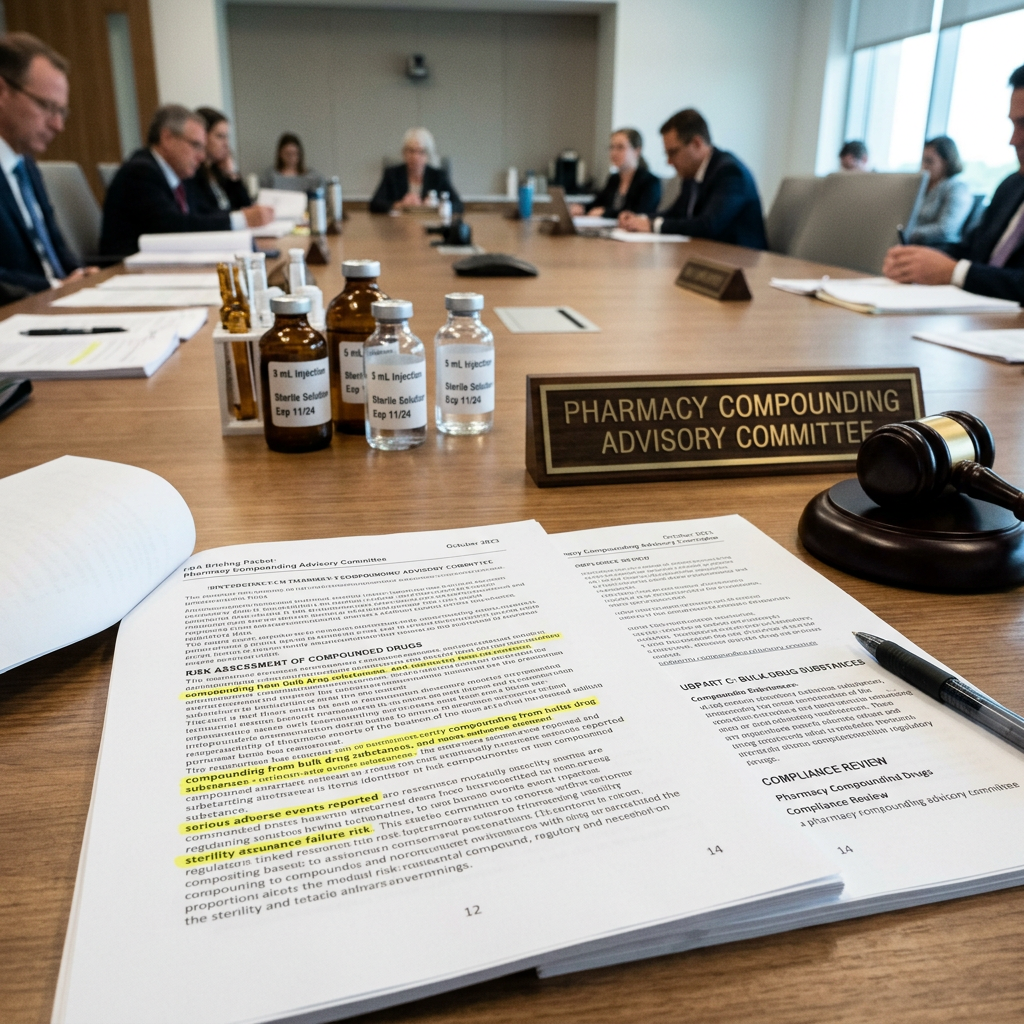
Abaloparatide
Also known as: Tymlos, PTHrP(1-34) analog, BA058
Overview
Abaloparatide (Tymlos) is a 34-amino acid synthetic analog of parathyroid hormone-related protein (PTHrP(1-34)) with modifications that confer improved selectivity for the RG conformation of PTH1R. FDA-approved in 2017 for postmenopausal women with osteoporosis at high fracture risk, abaloparatide demonstrated a 43% reduction in vertebral fracture risk (vs. 65% for teriparatide) with a potentially more favorable balance between anabolic bone formation and resorption activation. Its unique PTH1R conformational selectivity may translate to a shorter 'anabolic window' before significant bone resorption occurs.
Mechanism of Action
Abaloparatide binds PTH1R with selectivity for the RG (relaxed, active G protein-coupled) receptor conformation over the R0 (uncoupled) conformation. This differs from teriparatide which binds both conformations. The RG-selective binding produces strong, transient cAMP activation followed by rapid internalization, creating sharp cAMP pulses rather than sustained elevation. This pulsatile signaling pattern may more closely mimic endogenous PTHrP activity (a local paracrine factor in bone) versus endocrine PTH activity, potentially explaining a more rapid anabolic response with less sustained resorption activation.
Potential Benefits
- Anabolic bone formation in postmenopausal osteoporosis
- 43% reduction in vertebral fracture risk (Phase III)
- Potentially faster onset than teriparatide
- Unique RG-selective PTH1R mechanism
- Transdermal patch formulation in development (Mikart)
Dosage Protocols
The following reflects doses used in published research studies. This is not medical advice. Consult a qualified healthcare professional.
| Beginner | 80 mcg SC daily (only approved dose) |
| Intermediate | 80 mcg SC daily |
| Advanced | 80 mcg SC daily |
| Cycle Duration | Maximum 18 months cumulative lifetime |
FDA-approved (Tymlos, 2017). PTHrP analog. Black box-level concern for rodent osteosarcoma — limit to 18 months lifetime. Less hypercalcemia than teriparatide.
Use our Reconstitution Calculator to determine exact syringe units for your protocol.
Routes of Administration
Subcutaneous Injection (pen) ~36%
Inject into periumbilical abdomen once daily. Pre-filled multi-dose pen (30 days).
Read our full Routes of Administration Guide for detailed comparison of all delivery methods.
Stacking Protocols
Popular research stacks involving Abaloparatide:
Anabolic → Antiresorptive Sequencing
Standard practice to follow 18 months anabolic therapy with antiresorptive to preserve BMD gains.
Explore our complete Peptide Stacking Guide for more combinations and safety considerations.
Reconstitution
| Storage | Before first use: refrigerate 2-8°C. After first use: room temperature up to 30 days. Discard after 30 days. |
|---|
Do not freeze. Recap pen between uses.
Need exact syringe measurements?
Amino Acid Sequence
Ala-Val-Ser-Glu-His-Gln-Leu-Leu-His-Asp-Lys-Gly-Lys-Ser-Ile-Gln-Asp-Leu-Arg-Arg-Arg-Glu-Leu-Leu-Glu-Lys-Leu-Leu-Ala-Gln-Lys-Leu-Ala-Asp (34 AA, modified PTHrP sequence)
Side Effects & Safety
- Injection site reactions (more common than teriparatide)
- Dizziness and palpitations
- Hypercalciuria
- Nausea
- Black box warning: osteosarcoma (same class warning as teriparatide)
Safety & Contraindications
This information is for educational purposes only. Consult a qualified healthcare provider before using any peptide.
Pregnancy / Lactation
Bleeding Disorders
Active Skin Infection at Injection Site
FDA Safety Information
FDA labeling warns of potential osteosarcoma risk (based on rat studies); avoid in patients at increased baseline risk. Also warns of orthostatic hypotension and hypercalciuria.
Pharmacokinetics
| Half-Life | ~1.7 hours |
|---|---|
| Storage | Refrigerate at 2-8°C before first use. After first use: room temperature (<25°C) up to 30 days. Do not freeze. Protect from light. |
Synergistic Compounds
The following compounds have been studied alongside Abaloparatide for potential complementary or synergistic effects:
Learn More
References & Further Reading
Latest News & Research
View all articles →
FDA Staff Reviewers Say ‘No’ to 7 Compounded Peptides Ahead of July PCAC Vote
FDA staff reviewers urged against adding seven popular peptides to the 503A bulks list ahead of the July PCAC meeting, citing weak human data and safety uncertainty.

FDA reviewers urge ‘no’ on BPC-157, TB-500, MOTS-c ahead of July 2026 compounding vote
FDA reviewers’ June 29 briefings recommend against listing seven popular peptides for 503A compounding, citing limited human data and immunogenicity risk.

Medicare Starts Paying for Obesity Drugs Today — Bridge Program Opens $50 Access for Millions
Medicare's new $50 Bridge program covering Wegovy, Zepbound, Foundayo, and oral Wegovy for obesity launched July 1 — the first Medicare weight-loss benefit.
FDA staff urges caution on compounded peptides ahead of July advisory meeting
Ahead of the July 23–24 Pharmacy Compounding Advisory Committee meeting, FDA staff briefings recommend against listing seven popular peptides for compounding.