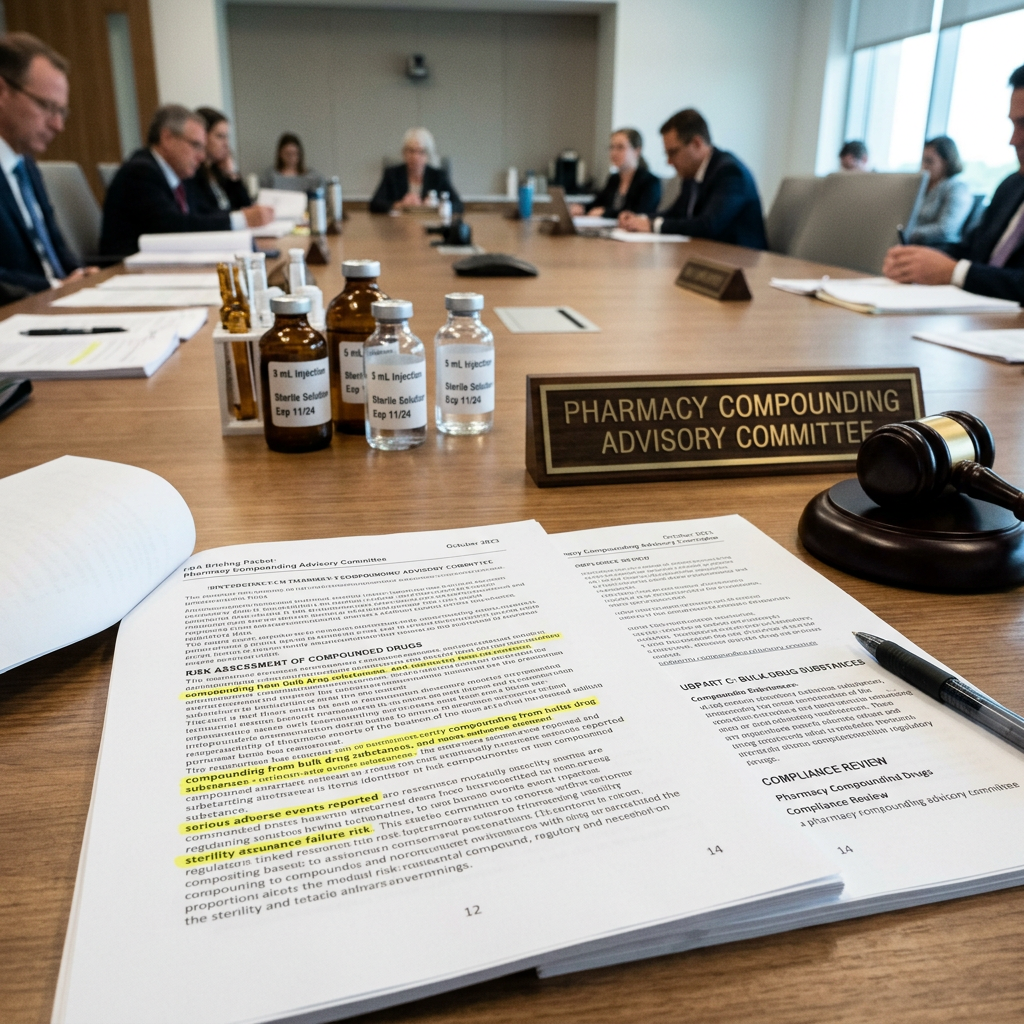
Linaclotide
Also known as: Linzess, Constella, GC-C agonist peptide
Overview
Linaclotide (Linzess/Constella) is a 14-amino acid synthetic peptide agonist of guanylate cyclase-C (GC-C) that is structurally derived from the heat-stable enterotoxin (STa) produced by enterotoxigenic Escherichia coli—the cause of traveler's diarrhea. FDA-approved in 2012 for chronic idiopathic constipation and IBS-C, linaclotide works locally in the intestinal epithelium to stimulate fluid secretion and reduce visceral pain sensitivity. It was the first GC-C agonist approved and established the mechanism for this therapeutic class.
Mechanism of Action
Linaclotide activates GC-C receptors on intestinal epithelial luminal surfaces, generating intracellular cGMP that activates CFTR chloride channels and the cGMP/PKG-II pathway, promoting chloride and bicarbonate secretion into the intestinal lumen. This fluid secretion softens stool and accelerates transit. Additionally, cGMP exported to the subepithelial space acts on afferent nociceptive fibers expressing cGMP-sensitive ion channels, reducing visceral pain sensation—the mechanism responsible for linaclotide's IBS-C pain relief beyond its laxative effect.
Potential Benefits
- First FDA-approved GC-C agonist (2012)
- Effective for chronic idiopathic constipation and IBS-C
- Dual mechanism: fluid secretion + visceral pain reduction
- Minimal systemic absorption ensuring GI-localized activity
- Pediatric chronic constipation (6-17 years, approved 2017)
Dosage Protocols
The following reflects doses used in published research studies. This is not medical advice. Consult a qualified healthcare professional.
| Beginner | 72 mcg daily (CIC) |
| Intermediate | 145 mcg daily (CIC) or 290 mcg daily (IBS-C) |
| Advanced | 290 mcg daily (IBS-C) |
| Cycle Duration | Chronic for CIC/IBS-C/functional constipation |
FDA-approved (Linzess, 2012). GC-C agonist. Contraindicated in pediatric patients <2 years. Diarrhea is most common adverse effect.
Use our Reconstitution Calculator to determine exact syringe units for your protocol.
Routes of Administration
Oral (capsule) Minimal systemic absorption
Take on empty stomach at least 30 minutes before first meal of the day. Swallow whole or open and sprinkle on applesauce/water.
Read our full Routes of Administration Guide for detailed comparison of all delivery methods.
Stacking Protocols
Popular research stacks involving Linaclotide:
CIC/IBS-C Management
Standard adult CIC/IBS-C management with adjunctive lifestyle measures.
Explore our complete Peptide Stacking Guide for more combinations and safety considerations.
Reconstitution
| Storage | Store capsules/tablets at room temperature in a dry, dark place. Liquid formulations refrigerated. |
|---|
Oral peptide — no reconstitution required. Follow product label for storage specifics.
Need exact syringe measurements?
Amino Acid Sequence
Cys-Cys-Glu-Tyr-Cys-Cys-Asn-Pro-Ala-Cys-Thr-Gly-Cys-Tyr (with three disulfide bonds)
Side Effects & Safety
- Diarrhea (dose-dependent, most common adverse effect)
- Abdominal pain
- Flatulence
- Black box warning: avoid in pediatric patients under 6 years
Safety & Contraindications
This information is for educational purposes only. Consult a qualified healthcare provider before using any peptide.
Pregnancy / Lactation
Bleeding Disorders
Active Skin Infection at Injection Site
FDA Safety Information
FDA Boxed Warning: Contraindicated in pediatric patients less than 2 years of age due to risk of serious dehydration.
Pharmacokinetics
| Half-Life | Negligible systemic absorption |
|---|---|
| Storage | Store at room temperature (15-25°C) in a dry, dark place. Keep tightly closed. Do not refrigerate capsules. |
Synergistic Compounds
The following compounds have been studied alongside Linaclotide for potential complementary or synergistic effects:
Learn More
References & Further Reading
Latest News & Research
View all articles →
FDA Staff Reviewers Say ‘No’ to 7 Compounded Peptides Ahead of July PCAC Vote
FDA staff reviewers urged against adding seven popular peptides to the 503A bulks list ahead of the July PCAC meeting, citing weak human data and safety uncertainty.

FDA reviewers urge ‘no’ on BPC-157, TB-500, MOTS-c ahead of July 2026 compounding vote
FDA reviewers’ June 29 briefings recommend against listing seven popular peptides for 503A compounding, citing limited human data and immunogenicity risk.

Medicare Starts Paying for Obesity Drugs Today — Bridge Program Opens $50 Access for Millions
Medicare's new $50 Bridge program covering Wegovy, Zepbound, Foundayo, and oral Wegovy for obesity launched July 1 — the first Medicare weight-loss benefit.
FDA staff urges caution on compounded peptides ahead of July advisory meeting
Ahead of the July 23–24 Pharmacy Compounding Advisory Committee meeting, FDA staff briefings recommend against listing seven popular peptides for compounding.