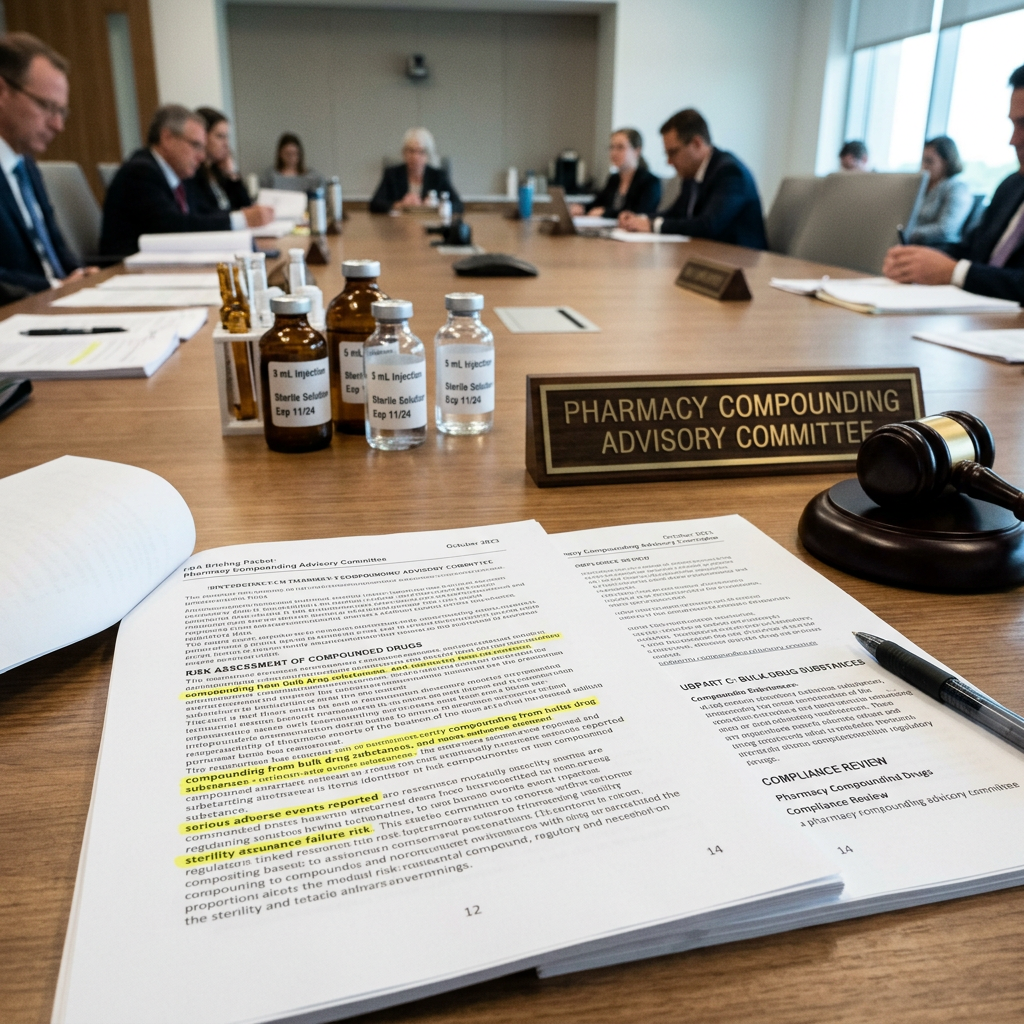
HL4 (Macrocyclic Insulin Receptor Agonist)
Also known as: HL4 macrocycle, Suga Lab IR agonist, RaPID-ExCells HL4, FYLWF-motif cyclic peptide
Overview
HL4 is a 19-residue cyclic peptide that activates the human insulin receptor (IR) on intact cells. It was reported on March 12, 2026 in Angewandte Chemie International Edition by Kuo, Mihara, Takagi and Suga (DOI 10.1002/anie.202526008). The molecule was discovered using RaPID-ExCells, a variant of the RaPID mRNA-display system that screens libraries of around 10^12 to 10^13 thioether-cyclized peptides directly against full-length IR on HEK293 cells, with detergent lysis and co-immunoprecipitation as the recovery step. Of 11 top affinity-enriched hits the team made, ten bound IR (some with Kd as low as 2 to 50 nM) but only HL4 (Kd around 132 nM) activated the receptor. HL4's activating pharmacophore is an FYLWF aromatic motif at positions 9 to 13, which mirrors the FYXWF motif present in earlier linear insulin-mimetic peptides such as Novo Nordisk's S597. Deep mutational scanning with 66 amino acids, including 47 non-proteinogenic residues, showed that p-methyl- and p-fluoro-phenylalanine at position 9 raised activity by roughly 1.5-fold and that D-tyrosine at position 5 was tolerated. The team built an HL4 homodimer using two HL4 monomers linked by PEG11 spacers to a central L-2,3-diaminopropionic acid core. The homodimer's EC50 for IR autophosphorylation is around 460 nM (versus around 720 nM for the monomer), gives about 2.5-fold the autophosphorylation signal at 1 micromolar, has a serum half-life around 51 hours, and selectively activates IR over the closely related IGF-1 receptor. HL4 is a research molecule. It is not approved for any human use, has no IND filing, and has not been tested clinically.
Mechanism of Action
HL4 is an allosteric agonist of the insulin receptor that binds at or near site 2 on the IR ectodomain. The FYLWF aromatic clamp at positions 9 to 13 is the activating contact, structurally analogous to the FYXWF motif of linear insulin-mimetic peptides like S597. As a monomer, HL4 produces partial activation. As a homodimer built with two HL4 heads linked through PEG11 spacers and an L-Dap core, HL4 spans the IR alpha-alpha dimer interface and produces stronger autophosphorylation, recapitulating insulin's bivalent engagement of the receptor dimer. Selectivity for IR over IGF-1R appears to be driven by the geometric spacing of binding sites on IR versus IGF-1R, which the PEG11 linker length matches preferentially.
Potential Benefits
- Selective activation of the insulin receptor over IGF-1R
- Long serum half-life (around 51 hours) for the homodimer construct, even without dedicated PK optimization
- Cyclic backbone provides protease resistance
- Tolerates non-proteinogenic amino acids, opening medicinal-chemistry optimization headroom
- Defined chemistry and synthetic accessibility for follow-on analog programs
Research Dosage Notes
The following reflects doses used in published research studies. This is not medical advice.
Not applicable. HL4 is a research compound. There is no established dose for any species in any indication.
Routes of Administration
Not applicable - cell-based research only
Read our full Routes of Administration Guide for detailed comparison of all delivery methods.
Reconstitution
Need exact syringe measurements?
Amino Acid Sequence
Macrocyclic peptide, 19 residues, thioether-cyclized. Activating motif FYLWF at positions 9-13. Full sequence reported in the supplementary information of the Angewandte Chemie paper.
Side Effects & Safety
- No safety data in humans or animals as of the May 2026 publication
Safety & Contraindications
This information is for educational purposes only. Consult a qualified healthcare provider before using any peptide.
Not applicable - no human use established
Drug Interactions
- No drug interaction data published
Pharmacokinetics
| Half-Life | Homodimer serum half-life approximately 51 hours in vitro (published in the 2026 Kuo et al. paper). Monomer half-life not separately reported. |
|---|---|
| Storage | Standard cyclic peptide storage practices apply for research use. |
Synergistic Compounds
The following compounds have been studied alongside HL4 (Macrocyclic Insulin Receptor Agonist) for potential complementary or synergistic effects:
Learn More
References & Further Reading
Latest News & Research
View all articles →
FDA Staff Reviewers Say ‘No’ to 7 Compounded Peptides Ahead of July PCAC Vote
FDA staff reviewers urged against adding seven popular peptides to the 503A bulks list ahead of the July PCAC meeting, citing weak human data and safety uncertainty.

FDA reviewers urge ‘no’ on BPC-157, TB-500, MOTS-c ahead of July 2026 compounding vote
FDA reviewers’ June 29 briefings recommend against listing seven popular peptides for 503A compounding, citing limited human data and immunogenicity risk.

Medicare Starts Paying for Obesity Drugs Today — Bridge Program Opens $50 Access for Millions
Medicare's new $50 Bridge program covering Wegovy, Zepbound, Foundayo, and oral Wegovy for obesity launched July 1 — the first Medicare weight-loss benefit.
FDA staff urges caution on compounded peptides ahead of July advisory meeting
Ahead of the July 23–24 Pharmacy Compounding Advisory Committee meeting, FDA staff briefings recommend against listing seven popular peptides for compounding.