PYY (Peptide YY)
Also known as: Peptide Tyrosine-Tyrosine, PYY 3-36, PYY(3-36)
Overview
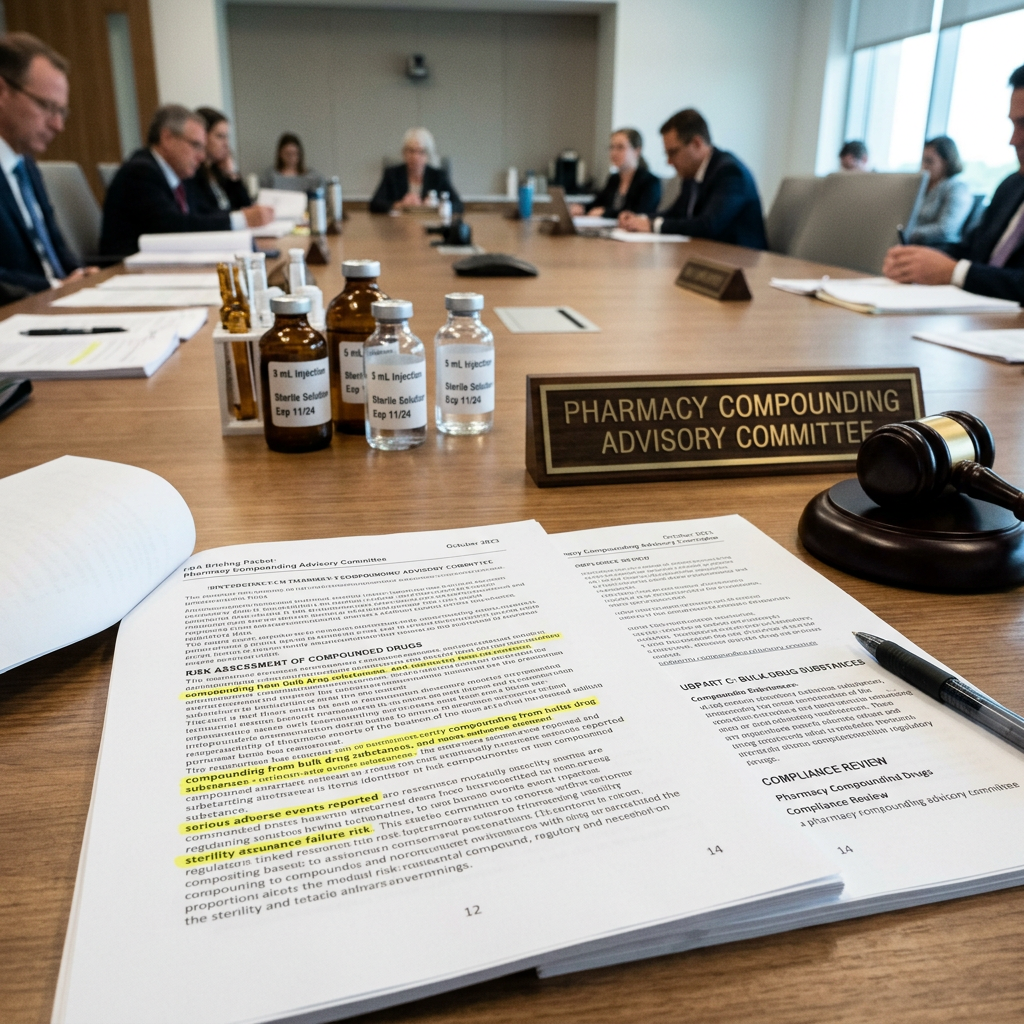
Peptide YY (PYY) is a 36-amino acid gut peptide released from L-cells of the distal intestine and colon in proportion to caloric intake. The truncated form PYY(3-36), generated by DPP-4 cleavage, is the predominantly circulating active form and acts via Y2 receptors in the hypothalamic arcuate nucleus to suppress appetite and reduce food intake. PYY is a major component of the physiological 'ileal brake' mechanism and is often combined with GLP-1 in emerging obesity therapeutics. Intranasal PYY administration has shown promising weight loss results in Phase II trials.
Mechanism of Action
PYY(3-36) preferentially binds Y2 receptors (NPY receptor family, Gi/o-coupled GPCR) in the arcuate nucleus of the hypothalamus, where it inhibits NPY/AgRP neurons (appetite-promoting) while indirectly promoting POMC/CART neuron activity (appetite-suppressing). This shifts the hypothalamic balance toward satiety. PYY also activates Y2 receptors in the vagal sensory ganglia and enteric nervous system, slowing GI transit and inhibiting pancreatic secretion. The combination of PYY with GLP-1 targets multiple complementary satiety pathways, explaining additive appetite suppression in combination therapies.
Potential Benefits
- Appetite suppression via arcuate nucleus Y2 receptor activation
- Ileal brake contribution: slowing of gastric emptying and GI transit
- Calorie-proportional release provides physiological meal termination
- Intranasal PYY: clinically meaningful weight loss in Phase II trials
- Complementary to GLP-1 for combination appetite suppression approaches
Dosage Protocols
The following reflects doses used in published research studies. This is not medical advice. Consult a qualified healthcare professional.
| Beginner | Research peptide — no approved therapeutic |
| Intermediate | N/A |
| Advanced | N/A |
| Cycle Duration | Acute/research |
PYY 3-36 form active at Y2R. Intranasal PYY 3-36 failed to produce sustained weight loss in Phase II. AstraZeneca MEDI0382 PYY analog in development.
Use our Reconstitution Calculator to determine exact syringe units for your protocol.
Routes of Administration
Intravenous (research) 100%
Primary research route.
Intranasal (experimental) Low-moderate
Failed Phase II Nastech obesity program.
Subcutaneous (research) Moderate
Long-acting analogs in development.
Read our full Routes of Administration Guide for detailed comparison of all delivery methods.
Stacking Protocols
Popular research stacks involving PYY (Peptide YY):
Gut Hormone Combination (research)
Research concept mimicking post-bariatric gut-hormone profile for obesity.
Explore our complete Peptide Stacking Guide for more combinations and safety considerations.
Reconstitution
| Storage | Refrigerate at 2-8°C after reconstitution. Do not freeze reconstituted solution. |
|---|
Typical vial sizes: 0.5-1 mg (research). Add bac water slowly down the side of the vial, swirl gently — do not shake. Use insulin syringe for precise dosing.
Need exact syringe measurements?
Amino Acid Sequence
Tyr-Pro-Ile-Lys-Pro-Glu-Ala-Pro-Gly-Glu-Asp-Ala-Ser-Pro-Glu-Glu-Leu-Asn-Arg-Tyr-Tyr-Ala-Ser-Leu-Arg-His-Tyr-Leu-Asn-Leu-Val-Thr-Arg-Gln-Arg-Tyr-NH2 (PYY full); PYY(3-36) from Pro3
Side Effects & Safety
- Nausea (dose-dependent)
- Reduced appetite (intended effect)
- GI transit slowing (constipation at high doses)
Safety & Contraindications
This information is for educational purposes only. Consult a qualified healthcare provider before using any peptide.
Pregnancy / Lactation
Bleeding Disorders
Active Skin Infection at Injection Site
Pharmacokinetics
| Half-Life | ~8-10 minutes (PYY 3-36) |
|---|---|
| Storage | Store lyophilized peptide at -20°C (long-term) or 2-8°C (short-term, under 30 days). Reconstituted: refrigerate at 2-8°C and use within 28-30 days. Protect from light. Do not freeze reconstituted solution. |
Synergistic Compounds
The following compounds have been studied alongside PYY (Peptide YY) for potential complementary or synergistic effects:
Learn More
References & Further Reading
Latest News & Research
View all articles →
FDA Staff Reviewers Say ‘No’ to 7 Compounded Peptides Ahead of July PCAC Vote
FDA staff reviewers urged against adding seven popular peptides to the 503A bulks list ahead of the July PCAC meeting, citing weak human data and safety uncertainty.

FDA reviewers urge ‘no’ on BPC-157, TB-500, MOTS-c ahead of July 2026 compounding vote
FDA reviewers’ June 29 briefings recommend against listing seven popular peptides for 503A compounding, citing limited human data and immunogenicity risk.

Medicare Starts Paying for Obesity Drugs Today — Bridge Program Opens $50 Access for Millions
Medicare's new $50 Bridge program covering Wegovy, Zepbound, Foundayo, and oral Wegovy for obesity launched July 1 — the first Medicare weight-loss benefit.
FDA staff urges caution on compounded peptides ahead of July advisory meeting
Ahead of the July 23–24 Pharmacy Compounding Advisory Committee meeting, FDA staff briefings recommend against listing seven popular peptides for compounding.