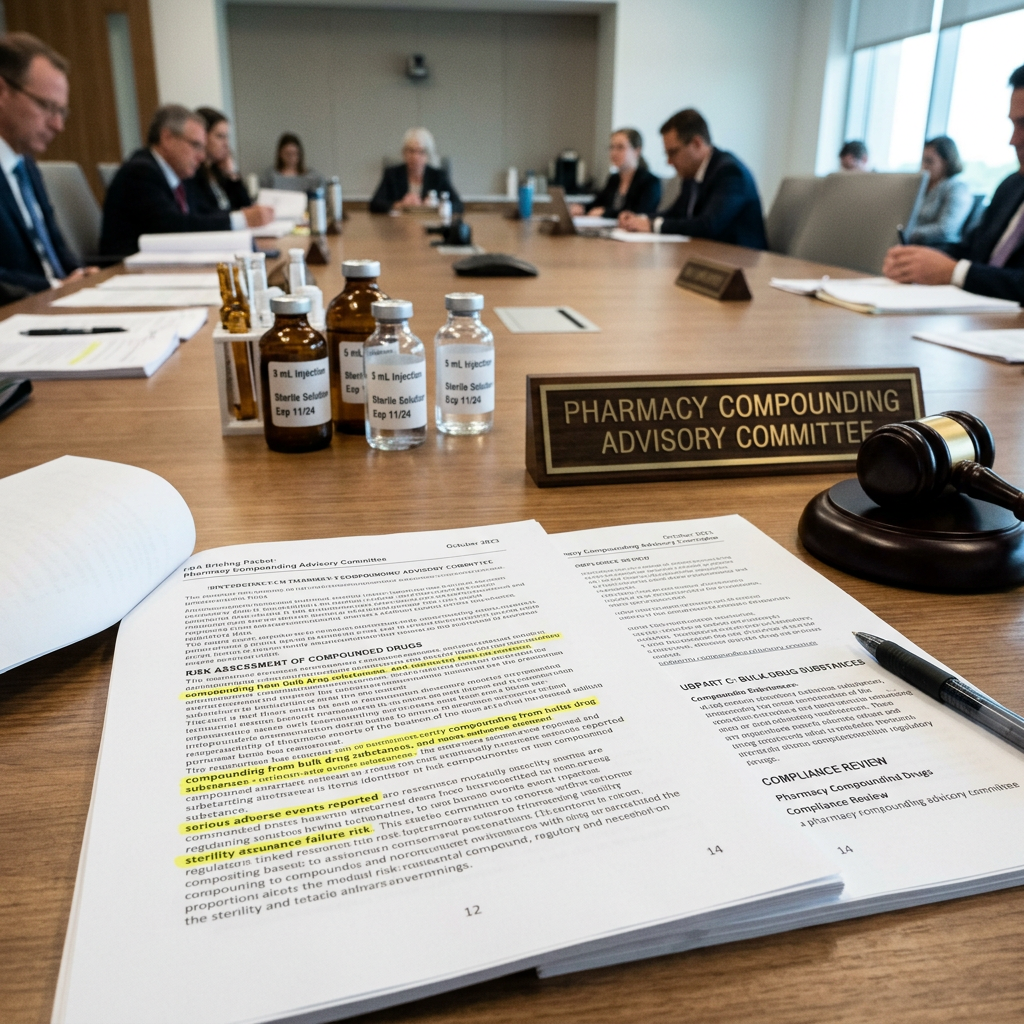
Substance P
Also known as: SP, Neurokinin 1 receptor agonist
Overview
Substance P is an 11-amino acid neuropeptide belonging to the tachykinin family, functioning as a key neurotransmitter and neuromodulator involved in pain signal transmission, inflammation, and the gut-brain axis. It is produced by primary afferent neurons, the central nervous system, and immune cells. While primarily known for its role in pain signaling (NK1 receptor activation), substance P also regulates neurogenesis, wound healing, and immune modulation, leading to research into both NK1 antagonists (for pain and nausea) and substance P agonism (for wound healing and hair growth).
Mechanism of Action
Substance P binds neurokinin 1 (NK1) receptors, which are GPCRs activating phospholipase C via Gq/11, driving IP3 and DAG second messengers, Ca2+ mobilization, and PKC activation. In the dorsal horn of the spinal cord, this amplifies pain signals transmitted by nociceptors (central sensitization). Peripherally, it triggers neurogenic inflammation through vasodilation, increased vascular permeability, and mast cell degranulation. In wound healing contexts, substance P promotes keratinocyte migration and proliferation, angiogenesis, and stem cell mobilization.
Potential Benefits
- Neurotransmitter in pain pathways (research for NK1 antagonist development)
- Neurogenic inflammation modulation
- Wound healing promotion via keratinocyte and stem cell effects
- Potential hair follicle activation via NK1 receptor in follicles
- Neurogenesis promotion in some brain regions
- Antimicrobial activity at high concentrations
Dosage Protocols
The following reflects doses used in published research studies. This is not medical advice. Consult a qualified healthcare professional.
| Beginner | Not applicable — not a consumer research peptide |
| Intermediate | N/A |
| Advanced | N/A |
| Cycle Duration | Research protocols only |
Endogenous neuropeptide. Primarily used as a research tool; antagonists (e.g. aprepitant) are the therapeutic target.
Use our Reconstitution Calculator to determine exact syringe units for your protocol.
Routes of Administration
Intravenous / Intrathecal (research) Route-dependent
Research administration only.
Read our full Routes of Administration Guide for detailed comparison of all delivery methods.
Stacking Protocols
Popular research stacks involving Substance P:
Research Context Only
Substance P is not used therapeutically — NK1R antagonists are. Stacking not applicable.
Explore our complete Peptide Stacking Guide for more combinations and safety considerations.
Reconstitution
| Storage | Refrigerate at 2-8°C after reconstitution. Do not freeze reconstituted solution. |
|---|
Typical vial sizes: 1 mg (research). Add bac water slowly down the side of the vial, swirl gently — do not shake. Use insulin syringe for precise dosing.
Need exact syringe measurements?
Amino Acid Sequence
Arg-Pro-Lys-Pro-Gln-Gln-Phe-Phe-Gly-Leu-Met-NH2 (RPKPQQFFGLM-NH2)
Side Effects & Safety
- Promotes pain sensitization at pathological concentrations
- Neurogenic inflammation
- Vasodilation and flushing
Safety & Contraindications
This information is for educational purposes only. Consult a qualified healthcare provider before using any peptide.
Pregnancy / Lactation
Bleeding Disorders
Active Skin Infection at Injection Site
Pharmacokinetics
| Half-Life | Not well characterized for this peptide; consult primary literature |
|---|---|
| Storage | Store lyophilized peptide at -20°C (long-term) or 2-8°C (short-term, under 30 days). Reconstituted: refrigerate at 2-8°C and use within 28-30 days. Protect from light. Do not freeze reconstituted solution. |
Synergistic Compounds
The following compounds have been studied alongside Substance P for potential complementary or synergistic effects:
Learn More
References & Further Reading
Latest News & Research
View all articles →
FDA Staff Reviewers Say ‘No’ to 7 Compounded Peptides Ahead of July PCAC Vote
FDA staff reviewers urged against adding seven popular peptides to the 503A bulks list ahead of the July PCAC meeting, citing weak human data and safety uncertainty.

FDA reviewers urge ‘no’ on BPC-157, TB-500, MOTS-c ahead of July 2026 compounding vote
FDA reviewers’ June 29 briefings recommend against listing seven popular peptides for 503A compounding, citing limited human data and immunogenicity risk.

Medicare Starts Paying for Obesity Drugs Today — Bridge Program Opens $50 Access for Millions
Medicare's new $50 Bridge program covering Wegovy, Zepbound, Foundayo, and oral Wegovy for obesity launched July 1 — the first Medicare weight-loss benefit.
FDA staff urges caution on compounded peptides ahead of July advisory meeting
Ahead of the July 23–24 Pharmacy Compounding Advisory Committee meeting, FDA staff briefings recommend against listing seven popular peptides for compounding.