NAP (Davunetide) Extended Notes
Also known as: AL-108, ADNP peptide, NAPVSIPQ
Overview
NAP (NAPVSIPQ) represents a critical bridge between VIP-based neuroprotection and practical clinical peptide therapeutics. The discovery that a single 8-amino acid sequence from the ADNP protein (activity-dependent neuroprotective protein) could recapitulate much of VIP's neuroprotective activity led to development of davunetide as an intranasal therapeutic. ADNP haploinsufficiency causes the ADNP syndrome (Helsmoortel-Van der Aa syndrome), a rare autism spectrum disorder characterized by intellectual disability and is caused by de novo mutations, confirming ADNP/NAP as essential for brain development. These genetic findings have revitalized clinical interest.
Mechanism of Action
NAP (Asn-Ala-Pro-Val-Ser-Ile-Pro-Gln) interacts directly with tubulin heterodimers, stabilizing microtubule polymerization and preventing tau-mediated microtubule destabilization. It also interacts with SIP (SH2-domain containing inositol phosphatase) to regulate PI3K/Akt survival signaling. In ADNP syndrome models, NAP restores normal dendritic spine morphology, reduces hyperphosphorylated tau, and normalizes autophagy. The intranasal route provides efficient CNS delivery via olfactory and trigeminal nerve pathways, bypassing the blood-brain barrier.
Potential Benefits
- Microtubule stabilization preventing tau pathology
- Potential treatment for ADNP syndrome (rare autism disorder)
- Neuroprotection in Alzheimer's disease models
- PSP (progressive supranuclear palsy) clinical trials conducted
- Intranasal delivery is non-invasive and efficient
Dosage Protocols
The following reflects doses used in published research studies. This is not medical advice. Consult a qualified healthcare professional.
| Beginner | 15 mg intranasal 1x daily |
| Intermediate | 15 mg intranasal 2x daily |
| Advanced | 30 mg intranasal 2x daily (clinical high dose) |
| Cycle Duration | 12-52 weeks in clinical trials |
Same molecule as Davunetide. NAP = 8-aa fragment of ADNP (Asn-Ala-Pro-Val-Ser-Ile-Pro-Gln). Microtubule stabilizer.
Use our Reconstitution Calculator to determine exact syringe units for your protocol.
Routes of Administration
Intranasal Moderate CNS delivery
Clinical trial route (Allon/Paladin).
Read our full Routes of Administration Guide for detailed comparison of all delivery methods.
Stacking Protocols
Popular research stacks involving NAP (Davunetide) Extended Notes:
Neuroprotection Research Stack
Microtubule stabilization + trophic support + BDNF induction.
Explore our complete Peptide Stacking Guide for more combinations and safety considerations.
Reconstitution
| Storage | Refrigerate at 2-8°C after reconstitution |
|---|
For nasal peptides (Semax, Selank, PT-141 nasal), reconstitute in sterile saline and transfer to a metered nasal spray device.
Need exact syringe measurements?
Amino Acid Sequence
Asn-Ala-Pro-Val-Ser-Ile-Pro-Gln
Side Effects & Safety
- Intranasal: mild nasal irritation
- Well-tolerated in clinical trials
Safety & Contraindications
This information is for educational purposes only. Consult a qualified healthcare provider before using any peptide.
Pregnancy / Lactation
Bleeding Disorders
Active Skin Infection at Injection Site
Pharmacokinetics
| Half-Life | Short plasma; microtubule-binding effects persist hours |
|---|---|
| Storage | Store lyophilized peptide at -20°C (long-term) or 2-8°C (short-term, under 30 days). Reconstituted: refrigerate at 2-8°C and use within 28-30 days. Protect from light. Do not freeze reconstituted solution. |
Synergistic Compounds
The following compounds have been studied alongside NAP (Davunetide) Extended Notes for potential complementary or synergistic effects:
Learn More
References & Further Reading
Latest News & Research
View all articles →
FDA Staff Reviewers Say ‘No’ to 7 Compounded Peptides Ahead of July PCAC Vote
FDA staff reviewers urged against adding seven popular peptides to the 503A bulks list ahead of the July PCAC meeting, citing weak human data and safety uncertainty.

FDA reviewers urge ‘no’ on BPC-157, TB-500, MOTS-c ahead of July 2026 compounding vote
FDA reviewers’ June 29 briefings recommend against listing seven popular peptides for 503A compounding, citing limited human data and immunogenicity risk.

Medicare Starts Paying for Obesity Drugs Today — Bridge Program Opens $50 Access for Millions
Medicare's new $50 Bridge program covering Wegovy, Zepbound, Foundayo, and oral Wegovy for obesity launched July 1 — the first Medicare weight-loss benefit.

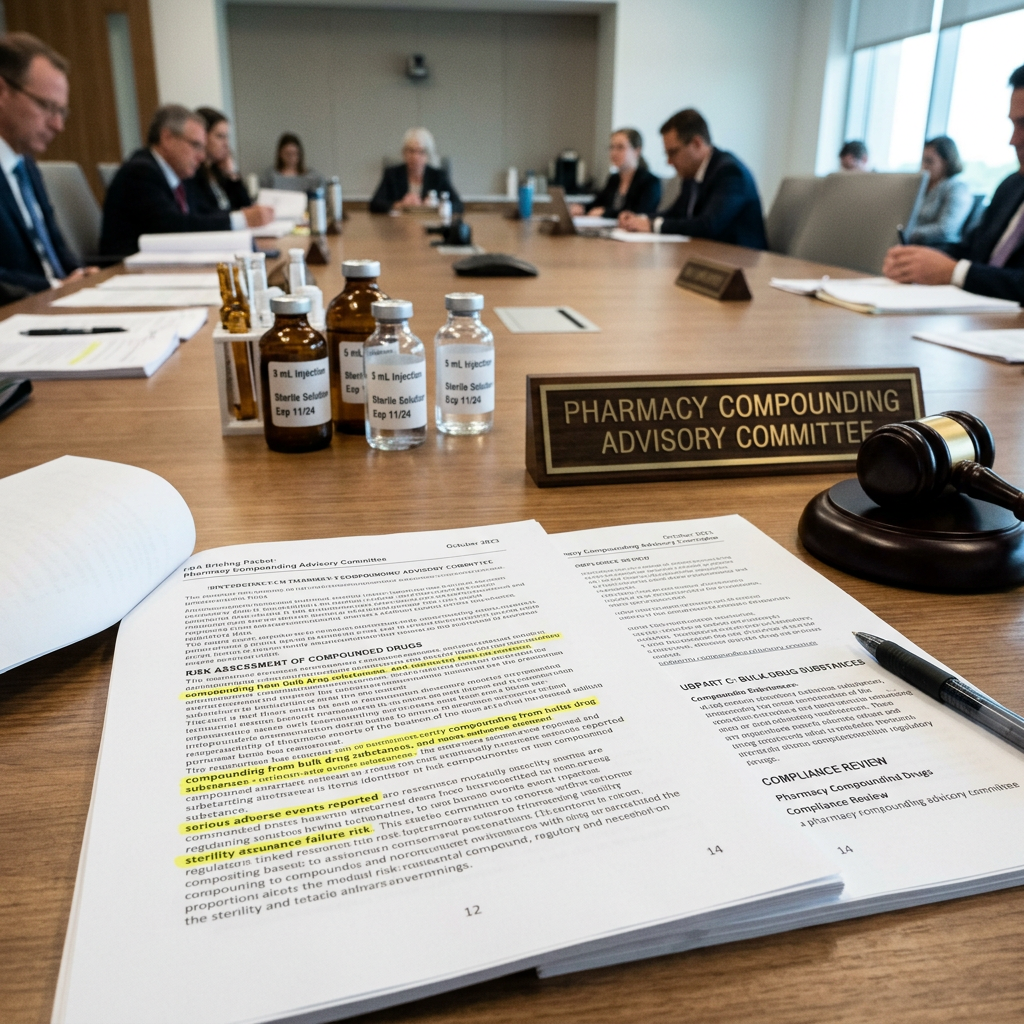
FDA staff urges caution on compounded peptides ahead of July advisory meeting
Ahead of the July 23–24 Pharmacy Compounding Advisory Committee meeting, FDA staff briefings recommend against listing seven popular peptides for compounding.